As a supplier of API 6B flanges, I often get asked if these flanges are resistant to stress corrosion cracking. It’s a crucial question, especially when you consider the high – stakes environments where these flanges are used, like oil and gas pipelines, refineries, and chemical processing plants. So, let’s dig into this topic and see what we can find out. Api 6b Flange
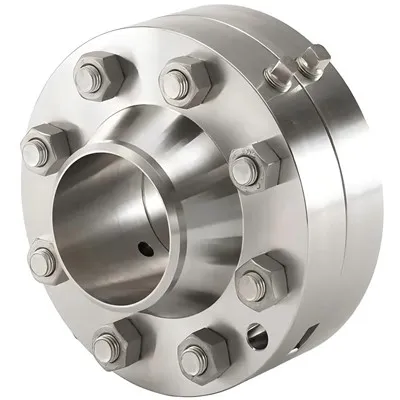
First off, let’s understand what stress corrosion cracking (SCC) is. SCC is a type of corrosion that occurs when three conditions are met simultaneously: the material is susceptible, there’s a tensile stress (either residual or applied), and the environment is conducive to cracking. In the case of API 6B flanges, which are typically made from carbon steel, alloy steel, or stainless steel, the susceptibility to SCC can vary widely.
Carbon steel API 6B flanges are commonly used in many industrial applications because they’re relatively inexpensive and have good mechanical properties. However, they’re also quite susceptible to SCC in certain environments. For example, in environments with high levels of hydrogen sulfide (H₂S), carbon steel can experience sulfide stress cracking (SSC), which is a form of SCC. H₂S can react with the iron in the steel to form iron sulfide, and at the same time, hydrogen atoms are released. These hydrogen atoms can diffuse into the steel and cause embrittlement, which makes the flange more likely to crack under stress.
Alloy steel API 6B flanges, on the other hand, are designed to have better corrosion resistance and mechanical properties than carbon steel. By adding elements like chromium, nickel, and molybdenum, the alloy steel can form a passive oxide layer on its surface, which acts as a barrier against corrosion. This makes alloy steel flanges more resistant to SCC in many environments. For instance, in a mildly corrosive environment with low levels of chloride ions, alloy steel flanges can perform much better than carbon steel flanges.
Stainless steel API 6B flanges are known for their excellent corrosion resistance. They contain a high percentage of chromium, which forms a thin, stable oxide layer on the surface of the steel. This oxide layer is self – healing, meaning that if it gets damaged, it can reform as long as there’s oxygen present in the environment. However, even stainless steel isn’t completely immune to SCC. In environments with high chloride concentrations, such as seawater or some chemical solutions, stainless steel can experience chloride stress corrosion cracking (CSCC). Chloride ions can break down the passive oxide layer, allowing corrosion to occur at the grain boundaries and leading to cracking under stress.
Now, the resistance of API 6B flanges to SCC also depends on how they’re manufactured and installed. During the manufacturing process, proper heat treatment is crucial. Heat treatment can relieve residual stresses in the flange, which reduces the likelihood of SCC. For example, stress – relieving heat treatment can be done to remove the stresses that are introduced during welding or forming operations.
Installation is another important factor. If the flange is installed incorrectly, it can create additional stress on the flange. For example, over – tightening the bolts can cause excessive tensile stress, which can make the flange more prone to SCC. It’s important to follow the manufacturer’s installation guidelines and use the proper torque values for the bolts.
In addition to material, manufacturing, and installation, the operating conditions also play a big role in determining the susceptibility of API 6B flanges to SCC. Temperature, pressure, and the presence of other chemicals in the environment can all affect the corrosion rate and the likelihood of cracking. For example, higher temperatures can accelerate the corrosion process, and certain chemicals can act as catalysts for SCC.
So, to answer the question of whether API 6B flanges are resistant to stress corrosion cracking, it’s not a simple yes or no. It depends on a variety of factors, including the material of the flange, the manufacturing process, the installation, and the operating conditions.
If you’re in the market for API 6B flanges, it’s important to choose the right material based on your specific application. If you’re working in a highly corrosive environment, like an offshore oil platform or a chemical plant, you might want to consider alloy steel or stainless steel flanges. But if the environment is less corrosive, carbon steel flanges could be a cost – effective option.
As a supplier, I’ve seen firsthand the importance of getting the right flanges for the job. I can help you select the most suitable API 6B flanges based on your requirements. Whether you need to resist SCC in a harsh environment or you’re looking for a more budget – friendly option for a less demanding application, I’m here to assist.
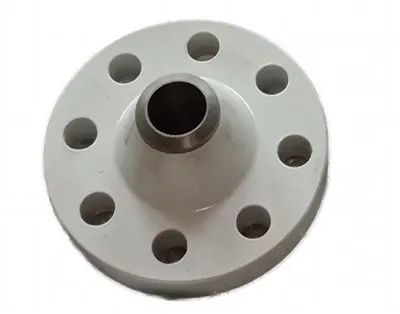
If you’re interested in learning more about API 6B flanges or if you’re ready to make a purchase, don’t hesitate to reach out. Let’s have a chat about your project and see how I can provide you with the best flanges for the job.
Gost 33259 Flange References
- "Corrosion and Corrosion Control" by Mars G. Fontana
- "Handbook of Corrosion Engineering" by Pierre R. Roberge
Shanxi Xinshunda Flange Manufacturing Co., Ltd.
As one of the most professional api 6b flange manufacturers and suppliers in China, we also support customized service with competitive price. We warmly welcome you to wholesale high quality api 6b flange for sale here from our factory. For quotation, contact us now.
Address: Zhunagli Industrial Zone,jinchang Town,dingxiang,shanxi,china
E-mail: sales01@xinflange.com
WebSite: https://www.xinflange.com/
