Hey there, fellow lighting enthusiasts! I’m an expert from a leading LED Controller supplier, and today I’m super stoked to share with you all the ins and outs of adjusting the contrast of lighting effects on an LED controller. LED Controller
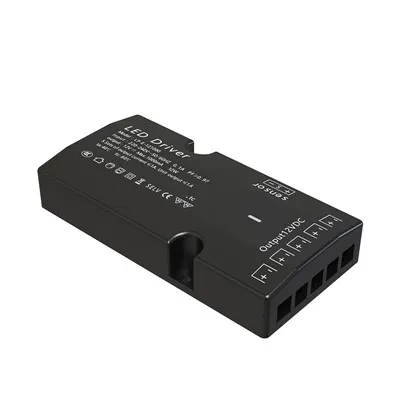
First off, let’s talk about why adjusting the lighting contrast is such a big deal. Whether you’re setting up a cozy home atmosphere, putting on a mind – blowing stage show, or creating an eye – catching storefront display, getting the contrast right can make all the difference. Good contrast can highlight the important parts of your lighting setup, add depth and dimension, and create a more engaging visual experience.
Now, let’s dive into how you can actually adjust the contrast on an LED controller.
Understanding Your LED Controller
The first step is to get to know your LED controller inside out. Different controllers come with different features and interfaces. Some are super simple, with just a few buttons and basic settings. Others are more high – tech, offering advanced programming options through a mobile app or a PC software.
If you’ve got a basic LED controller, it might have buttons for adjusting brightness, color, and maybe a few pre – set lighting patterns. To adjust contrast, you’ll usually start by playing around with the brightness settings. For example, if you want to create a high – contrast look with a bright center focus and a darker background, you can increase the brightness of the LEDs in the center area and lower the brightness of the surrounding ones.
On the other hand, if you’re using a more advanced controller, things get a bit more exciting. These controllers often allow you to control each individual LED or groups of LEDs separately. This means you have a ton of flexibility when it comes to adjusting contrast. You can create custom lighting scenes where some areas are super bright and others are almost pitch – black.
Manual Adjustment of Brightness
Let’s start with the most straightforward method: manual brightness adjustment. Most LED controllers have a brightness control function. It could be a physical dial, a slider on a control panel, or even a touch – sensitive screen.
To increase contrast manually, you’ll need to identify the areas of your lighting setup that you want to stand out and the areas that you want to fade into the background. For example, in a living room, you might want the wall sconces to be bright to create a warm, inviting glow, while the under – cabinet lighting in the kitchenette can be dimmed to add a bit of mystery.
Start by turning up the brightness of the LEDs in the areas you want to emphasize. Use the highest setting if necessary. Then, gradually lower the brightness of the LEDs in the background areas. You might need to test different combinations to find the perfect balance. Don’t be afraid to take your time and experiment!
Using RGB Color Channels
If your LED controller supports RGB (Red, Green, Blue) lighting, you’ve got another powerful tool at your disposal for adjusting contrast. Each color channel can be controlled independently, allowing you to create a wide range of colors and lighting effects.
One way to use RGB to enhance contrast is by combining complementary colors. Complementary colors are opposite each other on the color wheel. For example, red and green, or blue and yellow. By using a bright color in one area and its complementary color, slightly dimmed, in another area, you can create a striking contrast.
Let’s say you’re setting up a lighting display for a party. You can use bright red LEDs in the center of the room to create a focal point. Then, use dimmed green LEDs around the perimeter. The combination of the bright red and the dim green will really make the red pop and add a lot of visual interest.
Programming with Software
For those who are a bit more tech – savvy, programming your LED controller using software can be a game – changer. Many modern LED controllers come with software that allows you to create and customize lighting scenes, and this includes adjusting contrast.
First, you’ll need to connect your LED controller to your computer using a USB cable or wireless connection. Once it’s connected, open the software and start exploring the different settings.
Most software will have a graphical interface that shows your LED setup. You can click on individual LEDs or groups of LEDs to adjust their brightness, color, and other settings. You can also set up different lighting scenes and save them for later use.
To create a high – contrast scene, you can use the software to draw a clear distinction between the bright and dark areas of your lighting setup. You can even set up animations where the contrast changes over time, creating a dynamic and engaging effect.
Troubleshooting Common Issues
Of course, when you’re adjusting the contrast of your lighting effects, you might run into some issues. One common problem is uneven lighting. This can happen if your LEDs are not installed properly or if there are differences in the quality of the LEDs.
If you notice uneven lighting, first check the connections. Make sure all the LEDs are properly connected to the controller and that there are no loose wires. If the problem persists, you might need to replace some of the LEDs.
Another issue is flickering. This can be caused by a power supply problem or incorrect settings on the controller. Check the power supply to make sure it’s providing enough power to all the LEDs. If the flickering continues, try adjusting the settings on the controller, such as the refresh rate or the dimming frequency.
Maintenance for Consistent Contrast
To keep your lighting contrast looking great over time, regular maintenance is key. Make sure to keep your LED controller and LEDs clean. Dust and dirt can accumulate on the LEDs and affect their brightness and color. You can use a soft, dry cloth to gently wipe the LEDs and the controller.
Also, check the power supply regularly. A faulty power supply can cause fluctuations in the brightness of your LEDs, which will affect the contrast. If you notice any signs of damage to the power supply, such as frayed wires or overheating, replace it immediately.
Conclusion
Well, that’s all for today’s guide on how to adjust the contrast of lighting effects on an LED controller. By understanding your controller, using manual adjustment, RGB color channels, and software programming, you can create amazing lighting setups with just the right amount of contrast.
Whether you’re an interior designer, a stage technician, or just someone who loves to play around with lighting at home, these tips should help you take your lighting game to the next level.
If you’re in the market for a high – quality LED controller, look no further! As a trusted LED Controller supplier, we’ve got a wide range of controllers to meet your needs. From basic models for home use to advanced ones for professional applications, we’ve got you covered.
Waterproof LED Driver If you’re interested in learning more or discussing your specific requirements, don’t hesitate to reach out. We’re always here to help you find the perfect LED controller and achieve the best lighting effects. Kick – start your procurement journey today and let’s work together to bring your lighting visions to life!
References
- Lighting Handbook: Reference and Application, 10th Edition, Illuminating Engineering Society
- LED Lighting Technology: Basics, Applications, and Information, OSRAM Opto Semiconductors
Dongguan Lanbaoli Intelligent Technology Co., Ltd.
As one of the most professional led controller manufacturers and suppliers in China, we’re featured by quality products and low price. Welcome to buy advanced led controller for sale here from our factory. If you have any enquiry about quotation, please feel free to email us.
Address: 10th Floor, Building 32, Golden Town, No. 7 Technology Avenue, Houjie Town, Dongguan City, Guangdong Province
E-mail: anna@lampow.cn
WebSite: https://www.lblsensor.com/
