Troubleshooting a wind measurement system when it’s not functioning correctly can be a complex but crucial task. As a trusted wind measurement system supplier, I’ve encountered numerous issues over the years. In this blog, I’ll share some insights on how to diagnose and fix common problems with wind measurement systems. Wind Measurement System

Initial Checks and Basic Troubleshooting
When you first notice that your wind measurement system isn’t working properly, it’s essential to start with some basic checks.
Power Supply
The power supply is often the root cause of many system malfunctions. First, check if the power indicator on the control unit is lit. If not, ensure that the power cable is securely plugged into both the system and the power source. Inspect the power cable for any signs of damage, such as frayed wires or cuts. If you’re using a battery – powered system, check the battery voltage. Low battery voltage can lead to intermittent operation or complete system failure. Replace the batteries if necessary.
Communication Links
In modern wind measurement systems, communication is vital for data transfer. If you’re unable to access the data from the system, check the communication cables. Ethernet cables should be firmly connected at both ends. Look for any signs of physical damage. For wireless communication setups, ensure that the routers or access points are powered on and within the communication range. Check the signal strength and verify the network settings, including IP addresses and passwords.
Sensor Visibility and Mounting
Wind sensors need to have a clear line – of – sight to the wind. Check if the anemometer or wind vane is obstructed by any objects such as tree branches, nearby buildings, or dirt and debris. Clean the sensors carefully using a soft brush or compressed air to remove any dirt that might be affecting their movement or readings. Also, ensure that the sensors are mounted correctly. They should be installed at the proper height and orientation as specified in the system manual. Incorrect mounting can lead to inaccurate wind measurements.
Diagnostic Tests for Sensors
If the basic checks don’t solve the problem, it’s time to focus on the sensors themselves.
Anemometer Testing
The anemometer is responsible for measuring wind speed. One way to test it is to manually spin the cups or blades. Listen for any abnormal noises, such as grinding or rattling, which could indicate mechanical issues like a worn – out bearing. Use a multimeter to measure the electrical output of the anemometer. Compare the readings with the specifications provided in the system documentation. If the output is significantly different or non – existent, the anemometer may be faulty.
Wind Vane Testing
To test the wind vane, you can gently rotate it by hand. It should move smoothly and return to its original position when released. Check the electrical output of the wind vane using a multimeter. Similar to the anemometer, compare the readings with the expected values. A misaligned or damaged wind vane can cause inaccurate wind direction measurements.
Temperature and Humidity Sensors
These sensors are often included in comprehensive wind measurement systems. To test the temperature sensor, you can place it in an environment with a known temperature, such as a refrigerator set at a specific temperature. Measure the sensor output and compare it with the actual temperature. For humidity sensors, you can use a humidity reference device. If the readings deviate significantly, the sensors may need calibration or replacement.
Software and Firmware Issues
Modern wind measurement systems rely heavily on software and firmware for operation and data processing.
Software Installation and Version
Ensure that the software used to interface with the wind measurement system is correctly installed. Check if there are any error messages during the software startup. Sometimes, software crashes can be resolved by reinstalling the application. Also, make sure that you’re using the latest version of the software. Software vendors often release updates to fix bugs and improve performance.
Firmware Updates
The firmware on the system’s control unit is critical for its proper functioning. Check the manufacturer’s website for any available firmware updates for your specific model. Follow the instructions carefully to update the firmware. However, make sure to back up all the data and settings before performing a firmware update, as it can sometimes erase the existing configuration.
Data Logging and Storage
If you’re experiencing problems with data logging, check the storage device. If it’s an internal hard drive or a memory card, ensure that it has enough free space. A full storage device can cause the system to stop logging data. You can also try formatting the storage device (but remember to back up the data first) and then restart the data – logging process.
Advanced Troubleshooting and Professional Help
If you’ve exhausted all the above troubleshooting steps and the problem still persists, it may be time to seek professional help.
Calibration Issues
Over time, wind sensors can lose their calibration. This can lead to inaccurate measurements. Professional calibration services use specialized equipment to ensure that the sensors are providing accurate data. Contact the manufacturer or a certified calibration service to schedule a calibration for your wind measurement system.
Circuit Board and Internal Component Checks
Internal components such as circuit boards can sometimes malfunction. This requires a high level of technical expertise to diagnose and repair. If you suspect a problem with the circuit board, it’s best to contact the manufacturer’s technical support team. They can advise you on whether the board needs to be replaced or repaired.
Conclusion
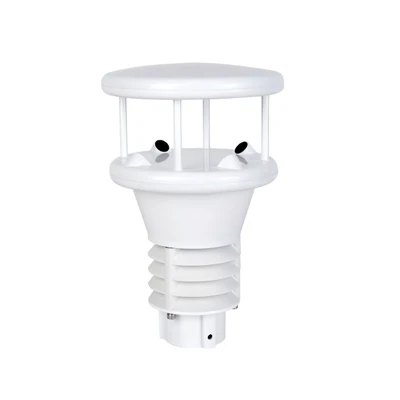
Troubleshooting a wind measurement system requires a systematic approach. Starting with basic checks of power supply, communication links, and sensor mounting, and then moving on to more in – depth diagnostic tests for sensors, software, and firmware can often identify and resolve the issue. However, when in doubt, don’t hesitate to seek professional help.
Wind Measuring Devices As a leading wind measurement system supplier, we understand the importance of reliable and accurate wind data. Our products are designed to be durable and easy to maintain. If you’re facing issues with your current wind measurement system or are looking to upgrade, we’d love to have a conversation with you. Reach out to us to discuss your requirements and find the best solution for your wind measurement needs.
References
- Manufacturer’s manuals for various wind measurement system models.
- Industry standards and guidelines for wind measurement and sensor calibration.
Tianjin Blooming Technology Ltd.
Address: Main Building, No. 10 Wuhua Road, Huayuan Industrial Zone, Binhai High-tech Zone, Tianjin, China
E-mail: sales@blooming-tech.com
WebSite: https://www.blooming-tech.net/
