If you’ve ever stood in a commercial kitchen, a grocery store’s back stock room, or a small café’s prep area staring at a reach-in refrigerator humming steadily in the corner, you’ve probably wondered: what exactly powers this workhorse? As someone who’s been supplying commercial reach-in refrigerators for over a decade, I’ve answered this question hundreds of times—often from new café owners who’re still learning the ins and outs of their first commercial kitchen, or from restaurant managers upgrading their old units to meet energy codes. Today, I’m pulling back the curtain on exactly how these machines get the power they need to keep food safe, fresh, and compliant. Reach-in Refrigerator
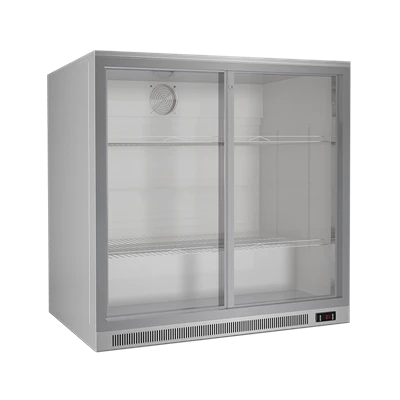
First, let’s clarify: when we talk about the “power source” of a reach-in refrigerator, most people immediately think of the plug on the wall—and that’s part of it. But to really understand, you have to break it down into two layers: the external energy input that feeds the unit, and the internal systems that turn that input into consistent cooling, which is where the real magic happens. Most residential fridges use the same basic systems, but commercial reach-ins are built for 12+ hours a day of heavy use, so their power dynamics are designed to be reliable, energy-efficient, and tailored for high-traffic environments.
The Primary External Power Source: Standard Electrical Grid Supply
Nearly every standard reach-in refrigerator sold commercially runs on alternating current (AC) from the local electrical grid. That’s the most common power source for good reason: it’s consistent, widely available, and easy to integrate into existing kitchen infrastructure. But not all grid power is the same, and as a supplier, I always advise customers to check two key things upfront: voltage and amperage.
Most small to mid-sized reach-in units—think 2-door models for a coffee shop or a small deli—run on 115-volt (V) AC, which is the same as a standard home outlet. But larger units, like 4 or 6-door reach-ins used in busy restaurants, require 208-230V AC, which is a dedicated circuit that many older small commercial kitchens might not have. I once had a customer a few years back who bought a 6-door reach-in without checking their electrical panel, and they had to wait three days for an electrician to upgrade the circuit—delaying their opening by a full weekend. That’s why, when we ship units, we include a sheet clearly outlining voltage requirements, because mismatched power input is one of the top avoidable issues we see.
For customers in areas with frequent power outages—like parts of the Southeast U.S. during hurricane season—some opt for backup power sources. Portable or permanently installed generators can run reach-in refrigerators, but it’s not as simple as plugging a generator into the fridge’s cord. You have to match the generator’s wattage to the fridge’s startup load, which is 2-3 times higher than its running load (more on that later). We always recommend consulting an electrician for this, because hooking up a generator incorrectly can damage the fridge’s compressor or create fire risks. Solar is another option for off-grid or remote locations, though most commercial reach-ins are designed for grid power; solar setups require batteries and inverters to convert DC from panels to AC, adding upfront cost but paying off over time for businesses that qualify for renewable energy incentives.
The Internal Power Conversion: From Electrical to Cooling
Here’s where the real “power” of the reach-in refrigerator lives: the internal refrigeration cycle, which converts electrical energy into heat removal. This is the system that takes the grid’s AC power and turns it into the steady 37°F (3°C) or lower temperature your food needs. Let’s break this down simply, no confusing jargon.
The core component here is the compressor, which is the heart of the fridge’s power system. The compressor is powered by an electric motor, which is the main internal power consumer of the entire unit. Most commercial reach-in compressors are hermetic—meaning they’re sealed inside a steel shell to keep out dust and moisture, which makes them more durable for heavy use. When the compressor turns on, it squeezes refrigerant gas (a special substance that boils at very low temperatures) into a high-pressure, high-temperature state. That gas then moves to the condenser coil, usually located on the back or bottom of the unit. A fan blows air over the condenser coil, dissipating the heat from the compressed refrigerant, turning it into a high-pressure liquid.
Next, that liquid refrigerant moves through an expansion device—usually a capillary tube or an electronic valve for more efficient modern units. As the refrigerant passes through this small opening, the pressure drops, making it boil and turn into a low-temperature, low-pressure gas. This gas flows into the evaporator coil, located inside the fridge’s compartment. A fan blows the warm, humid air from inside the fridge over the cold evaporator coil, which absorbs the heat from the air. The now-cooled air circulates back into the fridge, keeping the temperature consistent. The refrigerant, now warmed back to a gas, cycles back to the compressor to start the process all over again.
All of this relies on that initial electrical power. Let’s talk about the power draw here: a typical 2-door reach-in uses about 350-500 watts when running, but when the compressor starts up, that jumps to 1,000-1,500 watts—this is the startup load I mentioned earlier, which is why generators need to handle that temporary higher wattage. Modern reach-ins have made huge strides in efficiency here, with variable-speed compressors that adjust their power use based on how much cooling the unit needs, instead of running at full power all the time. That not only cuts energy costs for customers but also reduces wear and tear on the compressor, extending the fridge’s lifespan.
Power Considerations Specific to Reach-In Refrigerators vs. Other Commercial Models
A common question I get is: how is the power source of a reach-in different from a walk-in refrigerator? The short answer is scale. Walk-ins are large, built-in units that can hold hundreds of cubic feet of product, so they use higher voltage, often three-phase power for very large units. Reach-ins, on the other hand, are designed to be accessible—they’re usually under 30 cubic feet per compartment, with doors that open frequently. That frequent door use means the compressor has to run more often, so reach-ins are built with smaller, more responsive compressors that cycle on and off as needed, rather than the steady, constant operation of a larger walk-in.
Another key point: reach-in refrigerators rely heavily on their door gaskets to maintain temperature, which directly impacts power use. If a gasket is cracked or dirty, cold air leaks out, and the compressor has to work harder (using more power) to keep the set temperature. We always include gasket care instructions with every unit we sell, because a well-maintained gasket can cut a fridge’s energy use by up to 15%. That’s a big deal for small businesses watching their utility bills.
Common Power-Related Issues and How to Avoid Them
Over my years in this business, I’ve seen plenty of avoidable problems related to power. Here are the most common ones, and what I advise customers to do:
- Incorrect voltage or circuit size: As I mentioned earlier, installing a 208V fridge on a 115V circuit will either trip the breaker or damage the compressor. Always have a qualified electrician check your kitchen’s electrical panel before installing a new reach-in.
- Dirty condenser coils: The condenser coil is responsible for dumping heat, but if it’s covered in dust, grease, or debris, it can’t do its job. This makes the compressor work harder, using more power, and can lead to overheating and compressor failure. We recommend cleaning condenser coils every 3 months for busy kitchens.
- Overloading the unit: It’s tempting to pack every inch of shelf space in a reach-in, but blocking the evaporator coil or air vents inside the fridge restricts air flow. That makes the compressor cycle more often, increasing power use and shortening the unit’s life.
- Ignoring startup load when using generators: If you’re using a generator for backup, make sure it’s rated for at least 2 times the fridge’s running wattage to handle the startup surge. Undersized generators will cause the compressor to run poorly, leading to breakdowns.
Final Thoughts on the Power of Your Reach-In
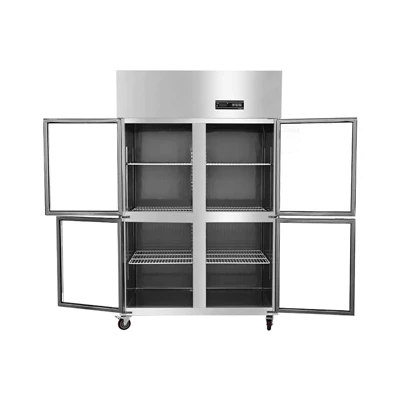
At the end of the day, the power source of a reach-in refrigerator is more than just a plug on the wall. It’s a combination of the reliable grid power that keeps the unit connected, the carefully engineered internal systems that turn that power into consistent cooling, and the regular care that keeps both working efficiently. For commercial kitchen operators, choosing the right power setup and maintaining your unit isn’t just about cutting utility bills—it’s about protecting your food, complying with health codes, and keeping your business running smoothly.
Chest Freezer If you’re in the market for a new reach-in refrigerator, or you’re having issues with your current unit’s power or performance, we’re here to help. Our team can guide you through choosing the right unit for your space, answer your questions about power requirements, and help you find a solution that fits your needs and budget. Contact us to discuss your reach-in refrigerator needs today.
References
- American Society of Heating, Refrigerating and Air-Conditioning Engineers (ASHRAE). 2021. Refrigeration Handbook for Commercial Kitchens. ASHRAE.
- U.S. Food and Drug Administration (FDA). 2022. Food Service Refrigeration and Freezer Guidelines. FDA.
- Energy Star. 2023. Commercial Refrigerator Specifications and Efficiency Guide. U.S. Environmental Protection Agency.
Zhejiang Xingbao Electrical Appliances Co., Ltd.
As one of the most professional reach-in refrigerator manufacturers and suppliers in China, we also support customized service. Welcome to wholesale bulk high quality reach-in refrigerator in stock here from our factory. If you have any enquiry about pricelist, please feel free to email us.
Address: No. 10 Baisha Road, Lianhang Development Zone, Chang’an Town, Haining City, Jiaxing City, Zhejiang Province, China
E-mail: zjxingbao@gmail.com
WebSite: https://www.sunborncn.com/
