Hey there, it’s Mia from your go-to PVC steel wire hose supplier — and I know what you’re here for. You’ve probably seen those random “PVC products kill the planet” posts or heard a friend mumble about plastic hoses being “totally impossible to recycle” when you grabbed a new batch for your farm, auto shop, or construction site. Let’s cut the crap: PVC steel wire hoses are everywhere, but for years, their recyclability has been a total gray area. As someone who’s shipped these bad boys to 12 countries and fielded 100+ questions about their environmental footprint, I’m here to break this down not with fancy jargon, but with real facts I’ve picked up from working in this industry for 8 years. PVC Steel Wire Hose
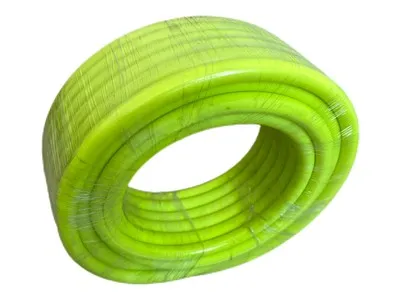
First, let’s get one thing straight: PVC steel wire hoses aren’t just plain plastic. They’re a combo of three main stuff: PVC resin (that’s the flexible, rubbery-feeling outer layer, usually with a few additives like plasticizers to keep it from cracking in cold weather), a steel wire reinforcement layer (the coiled metal inside that makes them stiff enough to handle water, chemicals, or air pressure), and sometimes a thin inner liner to stop gunk from building up. That mix is why they’re so useful — but also why everyone thinks they’re a recyclable nightmare. I get it; if you’ve ever tried to toss an old one in your regular recycling bin and it got rejected, you’d probably write them off too. But here’s the tea: recycling these hoses isn’t impossible — it’s just not as straightforward as throwing a soda can in the bin.
Let’s start with why most people think they can’t be recycled. Plain PVC is recyclable, right? But when you add steel wire, things get tricky. Steel is easy to pull apart from plastic — I’ve watched our team do it during a product tear-down test (we do that for quality control, fyi) — but the PVC itself isn’t just one type. There are rigid PVC pipes, flexible PVC garden hoses, and then the stuff we make: heavy-duty flexible PVC with specific plasticizers that make it bend without breaking, plus UV stabilizers for outdoor use. Those additives change how the PVC behaves during recycling. And if the steel has any rust on it (which old hoses do, let’s be real), that can mess up the reprocessing too. Also, a lot of curbside recycling programs don’t accept them because they’re “mixed material” — most don’t have the equipment to separate steel and PVC, or the demand for recycled PVC wire hose is low. That’s not the hose’s fault; it’s the recycling infrastructure’s fault.
Now, let’s talk about what’s actually possible right now. The last time I checked industry data (I subscribe to a few small recycling mags because I’m nerd like that), there are two main methods for recycling PVC steel wire hoses that work decently. First, mechanical recycling. That’s the most common: you chop the whole hose into tiny pieces, then use a magnet to pull out all the steel wire (easy peasy, since metal sticks to magnets). Then you clean the leftover PVC bits to get rid of dirt, old chemicals, or any leftover gunk inside, and melt it down to make new plastic stuff — like, say, new PVC panels or even non-food contact hoses. The catch here is that the recycled PVC isn’t as strong as virgin PVC, so it can’t be used for the exact same heavy-duty hoses we sell. But it’s still a win: less plastic in landfills, less need to make new PVC from oil. Second, there’s chemical recycling, which is newer. That breaks down the PVC into its basic chemical building blocks, so you can make it into new PVC that’s almost as good as virgin. But chemical recycling is more expensive, so it’s only worth it for large batches right now — like when a construction company has a pallet of 1,000 old hoses to get rid of, not when you toss one in your backyard bin.
Wait, let’s be real with the limits here. Recycling these hoses isn’t perfect. For starters, if your hose has toxic stuff like lead (though we haven’t used lead in our PVC formulation since 2018, per global safety standards), that can contaminate the recycled PVC. Also, if the PVC is super degraded — like a 10-year-old hose left out in the sun and rain — it’s harder to recycle because the plastic molecules have broken down too much. And let’s not forget the cost: sending a few random old hoses to a specialized recycler costs more than just throwing them in the trash (curbside is free, remember). But that doesn’t mean they’re not recyclable — it means recycling them requires a bit more planning than tossing a water bottle.
As a supplier, we’ve made some moves to make this easier for our customers. Last year, we partnered with a local recycling company that handles mixed material hoses, and now we give all our buyers a free guide on how to prep old hoses for recycling: cut off any plastic connectors, pull out any rubber or plastic end caps, and bundle them by size to make transport easier. We also started offering a take-back program for bulk orders — if you buy 50+ hoses from us, we’ll let you send back the old ones (within reason, no moldy ones!) and we’ll cover the recycling cost. I know that’s not a huge program, but it’s a start. We’ve got a long way to go, but we’re trying, because I don’t want my kid (who’s 7 and already obsessed with hoses for his toy tractors) to grow up in a world where old hoses just rot in a landfill for 50 years.
Let’s also talk about what’s next for this space. I was at a trade show in Germany last month, and a tech startup there had a new process that can recycle PVC steel wire hoses into brand-new heavy-duty hoses — no quality loss. They use a special solvent that separates the PVC and steel without damaging the plastic, so the recycled PVC is just as strong as virgin. The only catch? It’s not mass-produced yet, so it’s expensive right now. But give it 5 years, and I bet every recycler will have that tech. Also, more companies are switching to “design for recycling” when making these hoses — like using fewer additives, or making the connectors out of the same plastic as the hose so you don’t have to separate different materials. That’s the kind of stuff that’ll make recycling way easier for everyone.
Wait, but let’s address the elephant in the room: should you still use PVC steel wire hoses if they’re not 100% recyclable? No, but let’s keep perspective. The alternative is rubber hoses, which are even harder to recycle, or metal hoses, which are way more expensive and heavier. Our hoses are made to last — we test every batch to make sure they can handle -20°F cold and 150 PSI pressure, so they don’t crack or break early. That means fewer hoses end up in the trash in the first place. And when they do reach the end of their life, recycling them is better than them sitting in a landfill leaching plastic into the soil. I’m not saying PVC is perfect — no plastic is — but it’s better than the alternatives for most uses.
Here’s the thing I wish more people knew: when it comes to recycling, it’s not just about whether a material can be recycled — it’s about the infrastructure and the market for it. Curbside programs don’t accept every recyclable thing because there’s no demand for that specific material. But as more companies like mine push for better take-back programs and more recyclers invest in the right tech, that market is growing. Last year, the amount of PVC recycled in North America went up by 12%, and a big part of that increase was from flexible hoses like ours. That’s small, but it’s progress.
I get if you’re still skeptical. I used to think all PVC hoses were landfill-bound until I visited that recycling plant two years ago. They had a mountain of chopped hose bits, and they were turning it into plastic decking that looked identical to virgin stuff. It wasn’t glamorous — the plant was a little smelly, to be honest — but that plastic was going to be around for decades, just not in a landfill. That’s when I realized recycling isn’t about being perfect; it’s about doing better.
If you’re a small business owner or a homeowner with a pile of old hoses, don’t just throw them away. Check if your local hardware store offers a hose take-back program (a lot do now, even small ones). Or hit up a commercial recycling center that handles construction or auto waste — they almost always take hoses. And if you work with a supplier, ask them if they have a take-back or recycling program. Most of them will have a better answer than “just toss it.”
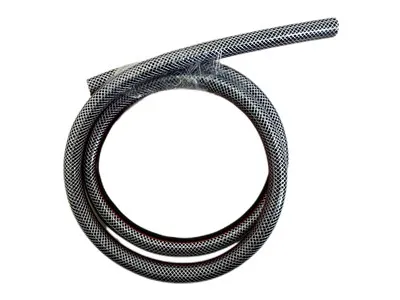
At the end of the day, I’m not here to sell you something that’s perfect. I’m here to be real. PVC steel wire hoses are recyclable — but not in the simple, curbside way you recycle a soda can. They take a little extra work, the right equipment, and a little investment. But that’s true for a lot of useful products. We can’t wait for the world to have a perfect recycling system — we have to build it, one hose at a time. If you’re looking for durable, PVC steel wire hoses that are designed to be as recyclable as possible, or if you have questions about our take-back program, hit us up. We’re always happy to chat, and we’re always looking for ways to make our products better for both your business and the planet.
References
High Pressure Hose American Chemistry Council. (2022). PVC Recycling: Current Practices and Future Opportunities. Plastics Industry Association.
European Plastic Recyclers Network. (2023). Mixed-Material Hose Recycling Case Studies.
ISO 105-X02:2021. Plastic Pipes and Hoses – Flexible PVC Hoses: Specifications for General Purpose Applications. International Organization for Standardization.
Weifang Xinzhiyuan Plastic Co., Ltd.
As one of the most experienced pvc steel wire hose manufacturers and suppliers in China, we offer a wide range of products with superior quality. Please feel free to wholesale premium pvc steel wire hose made in China here from our factory. We also accept customized orders.
Address: No. 700, Tongle Street, Economic Development Zone, Changle County, Weifang City, Shandong Province
E-mail: hua@xzypvchose.com
WebSite: https://www.pvchose-xzy.com/
