Hey there! As a supplier of wall panel trim, I’ve spent a lot of time thinking about the environmental impacts of what we do. Wall panel trim might seem like a small part of construction projects, but it can actually have a pretty significant effect on the environment. Let’s dive into it and see how this seemingly minor item can make a big difference, both good and bad. Wall Panel Trim

1. Material Sourcing
The first step in understanding the environmental impact of wall panel trim is to look at where the materials come from. A majority of wall panel trim is made from wood, plastics, or metals.
Wood
Wood is a natural and renewable resource, which can be seen as a positive. However, the problem lies in how it’s sourced. If the wood is harvested from old – growth forests or areas where deforestation is happening at an alarming rate, it can have a devastating impact on the environment. These forests are home to countless species of plants and animals, and when they’re cut down, it disrupts entire ecosystems.
On the flip side, if the wood is sourced from sustainably managed forests, it’s a much more eco – friendly option. Sustainable forestry practices ensure that for every tree that’s cut down, a new one is planted. Many suppliers, including us, are now looking for wood that’s certified by organizations like the Forest Stewardship Council (FSC). This certification gives customers the assurance that the wood they’re getting has been sourced responsibly.
Plastics
Plastics are another common material for wall panel trim. They’re often used because they’re cheap, lightweight, and easy to manufacture. But plastics are a huge environmental concern. Most plastics are made from petroleum, a non – renewable resource. And once they’re in the environment, they can take hundreds of years to break down.
Plastic production also releases a lot of greenhouse gases into the atmosphere, contributing to climate change. When plastic wall panel trim is discarded, it often ends up in landfills or as litter in our oceans and waterways, harming wildlife.
Metals
Metals like aluminum and steel are also used in wall panel trim. Mining these metals can have significant environmental impacts. It can lead to deforestation, soil erosion, and water pollution. The extraction and refining processes are also energy – intensive, which means more greenhouse gas emissions.
However, metals have one big advantage: they’re highly recyclable. Recycling metals uses a lot less energy than producing new ones from raw materials. So, if we can encourage the use of recycled metals in wall panel trim, it can help reduce the environmental impact.
2. Manufacturing Process
The way wall panel trim is made can also have a big impact on the environment.
Energy Consumption
Manufacturing any product requires energy, and the production of wall panel trim is no exception. Factories that produce wood trim need to use energy for cutting, shaping, and finishing the wood. Plastic trim manufacturing involves processes like extrusion, which also consume a lot of energy. Metal trim production requires high – temperature melting and shaping, which is extremely energy – intensive.
To reduce energy consumption, many manufacturers are now investing in more energy – efficient equipment. For example, using modern saws and routers in woodworking can reduce the amount of energy needed to cut the wood. In the plastic industry, new extrusion technologies are being developed to use less energy.
Chemical Use
In the manufacturing of wall panel trim, various chemicals are often used. Wood trim might be treated with pesticides to prevent insect damage or with stains and finishes that contain volatile organic compounds (VOCs). These VOCs can be released into the air during the manufacturing process and even after the product is installed in a building, contributing to indoor air pollution.
Plastic trim manufacturing may involve the use of additives and stabilizers, some of which can be harmful to the environment. Metal trim might be coated with paints or other protective layers that also contain chemicals. To address this, we’re seeing more manufacturers switching to eco – friendly alternatives, like water – based stains and finishes that have lower VOC emissions.
3. Transportation
Once the wall panel trim is manufactured, it needs to be transported to distributors, retailers, and eventually to the end – users. Transportation is a major contributor to greenhouse gas emissions.
If the manufacturing facility is located far from the market, the wall panel trim has to be shipped over long distances. This usually involves trucks, trains, or ships, all of which burn fossil fuels. The more fuel is burned, the more carbon dioxide and other pollutants are released into the atmosphere.
As a supplier, we’re trying to reduce our transportation footprint. We’re working with local distributors as much as possible to cut down on the distance the products need to travel. We’re also looking into more efficient shipping methods, like using larger trucks or container ships to transport more products at once.
4. End – of – Life Disposal
When wall panel trim reaches the end of its useful life, how it’s disposed of can have a significant impact on the environment.
Landfill Waste
A lot of wall panel trim ends up in landfills. Wood trim can take a long time to decompose, especially if it’s treated with chemicals. Plastic trim may never fully break down in a landfill. Metal trim can also take up a lot of space and may contribute to soil and water pollution over time if it starts to corrode.
Recycling and Reuse
Recycling and reuse are much better options. As mentioned earlier, metals are highly recyclable. Wood can also be recycled into wood chips or used for other products like particleboard. Some plastic trim can be recycled, although the process can be more complicated.
We’re actively promoting the recycling and reuse of our wall panel trim products. We’re working with recycling facilities to ensure that our products can be properly recycled at the end of their life. And we’re also encouraging customers to consider reusing the trim in other projects if it’s still in good condition.
5. Our Efforts as a Supplier
As a wall panel trim supplier, we’re committed to reducing the environmental impact of our products. We’re constantly looking for ways to improve our sourcing, manufacturing, transportation, and disposal processes.
We’re sourcing more and more wood from sustainably managed forests. We’re also exploring the use of recycled plastics and metals in our products. In our manufacturing facilities, we’re upgrading our equipment to be more energy – efficient and switching to eco – friendly chemicals.
We’re working on optimizing our transportation routes and partnering with local distributors to reduce emissions. And we’re educating our customers about the importance of recycling and reuse.
6. Why It Matters to You
If you’re in the market for wall panel trim, understanding the environmental impacts is crucial. Not only does it help you make a more sustainable choice, but it can also have an impact on your health. For example, choosing wall panel trim with low VOC emissions can improve the indoor air quality of your home or office.
By choosing environmentally friendly wall panel trim, you’re also sending a message to the industry. You’re showing that you care about the environment and that you’re willing to support companies that are making an effort to be more sustainable.
7. Let’s Connect
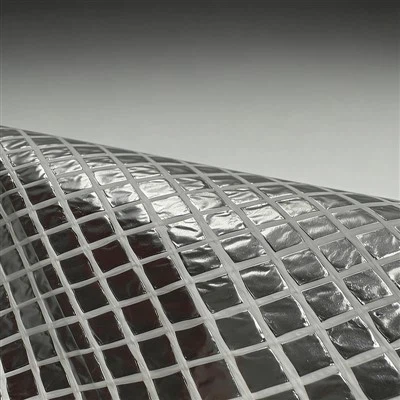
Roofing Waterproof Membrane If you’re interested in learning more about our eco – friendly wall panel trim products or have any questions about the environmental impacts, don’t hesitate to reach out. We’re here to help you make the best choice for your project and the planet. Whether you’re an architect, contractor, or a DIY enthusiast, we’ve got the right wall panel trim for you. Let’s start a conversation and see how we can work together to create a more sustainable future.
References
- "Sustainable Forestry Handbook", International Forestry Research Organization
- "Plastics and the Environment", Environmental Science Institute
- "Metal Recycling: A Global Perspective", World Metals Council
Hangzhou Eastopo New Marterial Technology Co., Ltd.
As one of the most professional wall panel trim manufacturers and suppliers in China, we offer a wide range of products with superior quality. Please rest assured to wholesale custom made wall panel trim from our factory. Good service and reasonable price are available.
Address: Room 304-20, Block B, Building 1,2,3&4, Kaixuan Jinniu Fang, Shangcheng District, Hangzhou, Zhejiang, China.
E-mail: mj@eastopo.com
WebSite: https://www.eastopo.com/
