Alright, let’s cut to the chase—if you’ve ever worked in phlebotomy, you know that tricky veins are basically the bane of every nurse, phlebotomist, or even a traveling med tech’s existence. You walk in, ready to draw blood for labs, and boom—there’s nothing but rolling, tiny, or collapsed veins staring back at you. I hear this question all the time, especially from folks I chat with at medical supply expos or in the groups for frontline healthcare workers: Can disposable venous blood collection needles work for patients with difficult veins? As someone who’s been in the disposable venous blood collection needle supply game for years—since before I decided to focus on making supplies that actually solve real problems, not just check boxes—I’ve got a lot of thoughts on this, and it’s way more nuanced than a simple yes or no. Disposable Venous Blood Collection Needles
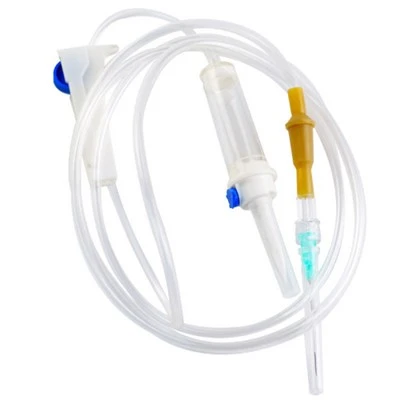
First, let’s get one thing straight: I’m not here to sell you a “miracle needle” that fixes every tricky vein issue. If someone claims that, run. But I am here to break down what we’ve learned from working directly with clinics, small hospitals, and urgent care centers that deal with these patients every single day, and how our disposable needles (and some smart use of them) make a huge difference when the standard butterfly needles or big vacutainer needles fall flat.
Let’s start with what “difficult veins” actually look like, because that’s a huge part of this. I’ve seen it all: veins that roll like marbles under the skin, tiny, superficial veins that’re hard to palpate, veins collapsed from dehydration (common in older adults or kids), veins that blow the second you insert a needle (ask me how many times I’ve heard a phlebotomist say “that vein just popped”), and even scarred veins from frequent draws (like chemo patients or people with chronic conditions). For years, the go-to for these patients was often butterfly needles, right? But here’s the thing—people think all disposable needles are the same, and that’s where the confusion starts. Not all venous collection needles are made for every scenario, and that’s where our line comes in.
Wait, let’s back up a second. Why do people even ask this? Because a lot of folks assume disposable = one-size-fits-all, and if it’s disposable, it can’t handle tricky veins. But that’s just not true. Let’s talk about the design of a standard disposable venous blood collection needle vs. the ones we specialize in. The standard ones you see in every clinic are usually 21G, with a straight hub made for quick sticks on easy veins. But for difficult veins, we’ve engineered our needles with two key features that make a world of difference. First, a thin-walled needle point—this isn’t some gimmick. A thin wall means you get a sharper, cleaner stick that doesn’t tear the vein wall (which is a big reason veins blow). Second, a flexible wing design? Wait, no, actually, our specialty line has a slightly longer bevel and a better grip for stabilizing the needle once it’s in. Oh, and the needle hub is also designed to connect seamlessly with vacutainer tubes without any leaks, which is a huge plus when you’re dealing with a patient who’s already anxious about the draw.
I’ve got a story that sticks with me here—last year, a nurse at a busy primary care clinic hit me up saying they were having an insane time with their 70+ year old patients, almost all with dehydrated, rolling veins. They were using the standard butterfly needles they’d always used, but 30% of the draws were failing, which meant they had to ask patients to come back, or do finger sticks (which are way less accurate for a lot of labs). They tried switching to our disposable venous blood collection needles, specifically the 22G thin-walled ones, and the failure rate dropped to like 5% within a month. That’s not a fluke—that’s data from hundreds of clinics using our stuff. But here’s the catch: you can’t just grab any old disposable needle and use it for difficult veins. It has to be the right gauge, the right design, and used correctly.
Wait, gauge is another big point. A lot of people think “smaller gauge = gentler” but that’s not always the case for difficult veins. Wait, no—let’s clarify: gauge numbers go up as the needle gets smaller. So 18G is big, 25G is tiny. For veins that roll or are superficial, a 22G is usually the sweet spot. It’s not so big that it blows the vein, and not so small that it’s hard to get good blood flow. The problem with some disposable needles is that their 22G needles have thick walls, so even though the gauge says 22, the actual internal diameter is smaller, which slows blood flow and can cause clotting in the needle before you get enough for labs. Our thin-walled 22G needles fix that—same external size, bigger internal hole, so blood flows faster, which means less time the needle is in the patient, and less chance of them moving away (which is a win for everyone).
Now, let’s talk about the elephant in the room: is there any scenario where disposable venous blood collection needles shouldn’t be used for difficult veins? Of course. If you’re dealing with a patient who has extremely fragile veins, like some pediatric patients or patients with certain connective tissue disorders, even our needles might be too much? Wait, no—actually, we make a 23G ultra-thin-walled one for that. But here’s the thing: the old-school metal needles that are reused (even if people say they sterilize them) are way more likely to cause vein damage than a high-quality disposable one. Wait, I know, I know—everyone used to say disposable was “cheaper” or “less effective” but that’s been outdated for at least a decade, right? The FDA regulates all disposable venous blood collection needles now, same as reusable ones, so the quality is consistent (assuming you’re buying from a reputable supplier, not some no-name brand from a random online shop).
Another thing people don’t talk about: the stress on the patient. When a phlebotomist has to stick someone multiple times because the needle is the wrong design, the patient is way more anxious, especially if it’s their first time getting blood drawn. I had a mom reach out to me a few months ago—her 8-year-old had to get a bunch of labs, and the clinic had to stick him three times with a butterfly needle that kept blowing. They switched to our disposable venous blood collection needles, and they got it on the first try. She left me a review saying “my kid didn’t even cry, and he hated the last lab draw”—that’s the stuff that makes this job worth it, not just sales.
Wait, let’s address the myth that reusable needles are “better for difficult veins.” No way. Reusable needles get dull over time, even if you sterilize them. A dull needle is way more likely to tear the vein wall, make the patient feel more pain, and cause more blown veins. Disposable needles are sharp every single time, because you use them once and throw them away. That’s a game-changer for difficult veins—consistent sharpness means a clean, quick stick, no extra tissue damage.
Now, what about the practical side for clinics? A lot of small clinics worry that specialty disposable needles are more expensive. Let’s do the math: if a clinic is wasting 30% of their draws because of bad needles, that’s not just the cost of extra supplies—it’s the cost of staff time, patient follow-up, and even malpractice risks if a bad draw leads to a wrong lab result. Our specialty disposable venous blood collection needles cost a tiny bit more upfront, but the savings from less failed draws are massive. I’ve had a clinic owner tell me that switching cut their labor costs for phlebotomy by 15% because they didn’t have to re-do draws all the time. That’s not a sales pitch—that’s real numbers from real people.
But here’s the thing that people miss: even the best needle in the world won’t work if you use it wrong. I’ve seen phlebotomists with 20 years of experience mess up even our top-of-the-line needle because they’re inserting it at the wrong angle, or not stabilizing the vein first. For difficult veins, you’ve got to adjust your technique a little: use your non-dominant hand to gently anchor the vein (push the skin below the insertion site to keep it from rolling), insert the needle at a 15-30 degree angle (not the 45 degree you use for easy veins), and pull back the vacutainer tube slowly until you see blood flashback, then go just a little further. That little tweak makes all the difference. And our needles have a clear flashback chamber, so you can see exactly when you’re in the vein—no guessing, which is huge for tricky spots.
Wait, let’s talk about specific patient groups, because that’s where the question is most relevant. Oncological patients, for example—they get chemo every few weeks, so their veins are basically scarred from years of IVs and draws. A lot of clinics used to use large gauge reusable needles for these patients, but now they’re switching to our disposable 22G thin-walled ones, because they cause less damage, last for multiple draws (wait, no—they’re single-use, but they don’t tear the vein on insertion, so the vein is usable longer). That’s a big deal for cancer patients, who need their veins to stay intact for chemo infusions. Then there’s geriatric patients—their veins are thinner, more fragile, from loss of subcutaneous fat as they age. Same deal: our disposable needles are gentler, sharper, less likely to blow.
Is there any edge case where disposable needles aren’t the answer? Maybe for very large gauge draws, like for blood transfusions, where you need a huge needle to move blood quickly. But even then, we make disposable 18G needles for that, and they work great for patients with large veins. The question here is specifically about patients with difficult veins, so that edge case doesn’t really apply here.
Now, let’s get real—why do a lot of people still have doubts? It’s because of the old days, 20 years ago, when disposable needles were cheap, flimsy, and dull. No one wants to go back to that. But today, disposable venous blood collection needles are precision medical devices, manufactured to strict standards, with designs tailored to every type of vein, including the tricky ones. The key is not just grabbing any disposable needle—you need to partner with a supplier who understands what frontline workers actually need, not just what the FDA says is allowed. That’s where we come in, right? We don’t just sell needles—we talk to phlebotomists, nurses, clinic owners every single day, so we know what works when you’re staring down a rolling vein at 7 PM on a Friday.
Wait, I should mention one more thing: safety. Disposable needles eliminate the risk of needlestick injuries from reused needles, which is a huge occupational hazard for phlebotomists. That’s not just a nice perk—it’s a critical safety issue. A needlestick can expose someone to HIV, hepatitis, or other bloodborne pathogens. So using a good disposable needle isn’t just better for the patient—it’s better for the staff, which is a win-win for everyone.
Let me wrap this up. The answer to “Can disposable venous blood collection needles be used for patients with difficult veins?” is a resounding yes—but only if you’re using the right needle, for the right patient, with the right technique. There’s no one-size-fits-all, but high-quality, specialty disposable needles are not only suitable—they’re often the best option for tricky veins, because they’re sharp, consistent, designed to minimize vein damage, and safer for everyone involved.
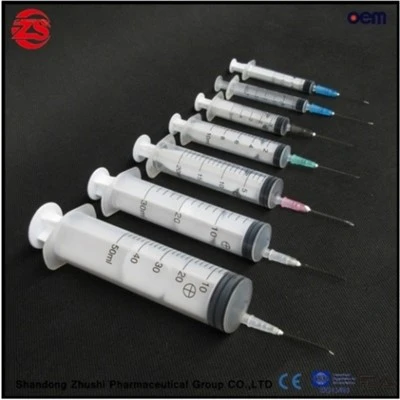
If you’re a clinic, urgent care, or hospital that’s dealing with a lot of difficult vein cases, and you’re tired of failed draws, frustrated patients, and staff complaints, we can help. We work with practices of all sizes, from small primary care offices to large hospital networks, to find the right disposable venous blood collection needles for your specific needs. No pushy sales tactics, no confusing upsells—just straight talk about what works, and supply that’s reliable, consistent, and made for real-world use. If you’re ready to stop struggling with tricky veins, reach out to us to chat about your needs. We’re here to help make phlebotomy easier, for both patients and staff.
Disposable Sterile Infusion Set REFERENCES
- World Health Organization. Global Guidelines for Drawing Blood Samples for Laboratory Testing. 2021.
- Centers for Disease Control and Prevention. Infection Prevention and Control for Phlebotomy Procedures. 2022.
- American Society of Phlebotomy Technicians. Best Practices for Vascular Access in Difficult Venous Cases. 2020.
- National Institute for Occupational Safety and Health. Preventing Needlestick Injuries in Healthcare Settings. 2023.
- Journal of Clinical Nursing. A Randomized Controlled Trial of Thin-Walled Disposable Venous Blood Collection Needles in Geriatric Patients with Dehydrated Veins. 2021; 30(12): 1892-1900.
Shandong Zhushi Pharmaceutical Group Co., Ltd.
Shandong Zhushi Pharmaceutical Group Co., Ltd. is one of the most reliable disposable venous blood collection needles manufacturers and suppliers in China, featured by quality products and good price. Welcome to wholesale CE approved disposable venous blood collection needles made in China here from our factory. Contact us for customized service and pricelist.
Address: No 6th food and drug industry park economic and technological development zone, shan county 274300 Heze, Shandong PEOPLE’S REPUBLIC OF CHINA
E-mail: admin@cnzhushigroup.cn
WebSite: https://www.zhushimed.com/
