Hey there, thanks for swinging by! If you’ve ever gotten your hands on a honeycomb-lined item—whether it’s a cool insulated lunch bag, a sleek cooler bag for weekend trips, a pet carrier that keeps temp steady, or even a waterproof tote that’s tough enough for beach days—you know they’re game changers. But I’ve talked to so many customers lately asking the same thing: “How do I keep this thing working as good as the day I bought it?” As someone who’s been supplying honeycomb-lined products for years, I’ve seen it all—from folks throwing their bags in the washing machine and ruining the insulation, to others over-drying them and cracking the honeycomb core. Today, I’m breaking down everything you need to know to maintain these bad boys, keep them insulating (and looking) great, and get the most life out of your investment. Let’s dive in. Honeycomb Lined
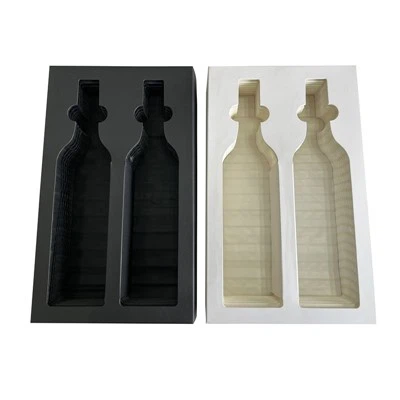
First, quick little recap so we’re all on the same page—what even is honeycomb lining, anyway? Most of the honeycomb linings we use (and the ones you’ll find in quality products, not the cheap knockoffs) are made from polypropylene or sometimes polyethylene, with those tiny, hexagon-shaped air pockets between two layers of fabric. That air is the key to their insulation power—trapping hot or cold air, keeping your lunch soup hot for 4 hours or your soda cold for 10, no ice packs needed half the time. But those air pockets are delicate. They’re not like plain fabric linings, so you can’t treat them the same way you would your old cotton tote. Let’s start with the most common question I get: cleaning. Because let’s be real, honeycomb-lined items take a beating. Lunch bags get ketchup splatters, cooler bags get sand and spilled soda, pet carriers get dirt. Clean them wrong, and that honeycomb core will lose its shape, or the lining will delaminate (peel away from the outer fabric).
When it comes to cleaning, the golden rule is: gentle is always better. No harsh chemicals, no high heat, no aggressive scrubbing. Let’s break it down by what kind of mess you’re dealing with, because not all stains are created equal. First, light, everyday dirt—like coffee splatters, light sand, or a little dust. You don’t need to throw the whole thing in the washing machine for this. Grab a soft cloth or a sponge, mix a little mild detergent (like dish soap or laundry detergent for sensitive fabrics—skip the bleach, skip the stain removers that are super strong) with warm (not hot!) water, dab the stained area, and wipe it clean. Don’t rub too hard—rubbing can crush those tiny honeycomb cells, which makes the insulation way less effective over time. I’ve had customers tell me they scrubbed a lunch bag’s stain off with a brush and noticed it stopped keeping food warm after a month—turns out they crushed half the honeycomb pockets. Rookie mistake.
Now, what if you’ve got a bigger mess—like spilled spaghetti sauce, soda that’s been sitting for a day, or mud on a cooler bag? Then you can hand wash the whole thing, but again, no washing machine. Here’s how: fill a basin with lukewarm water (hot water will make the adhesive that holds the honeycomb to the fabric break down—so skip anything over 100°F, basically). Add that same mild detergent, swish it around to make suds, then submerge your item. Let it soak for 15-20 minutes max—don’t let it sit longer than that, especially if there’s food residue, because that can get moldy or smelly. Then, use your hands to gently rub the dirty areas—again, no scrub brushes. For tough stains, you can use a soft-bristled toothbrush (the kind you use for sensitive gums) to lightly brush, but only in circular motions, super gently. Once it’s clean, drain the soapy water, refill the basin with clean lukewarm water, and rinse the item until all soap is gone. Pro tip: squeeze out excess water instead of twisting or wringing it—twisting will crush those honeycomb cells, same as scrubbing. I always tell customers to press it between two towels to get the majority of the water out, that’s way better than wringing.
Wait, what if someone throws their honeycomb item in the washing machine by accident? Don’t panic, but act fast. If you notice right after it’s done, pull it out immediately—don’t let it sit in a damp washer for hours. Take it out, squeeze out excess water, and lay it flat to dry, don’t put it in the dryer. Even if you used a gentle cycle, the agitation and high heat from a dryer will wreck the honeycomb. I’ve heard from a customer once who tossed her kid’s lunch bag in the wash by mistake and almost threw it away, but we talked her through pulling it out fast, laying it flat on a drying rack, and it worked like new. Crisis averted.
Now, drying is the next big part of maintenance—this is where so many people mess up. I can’t stress this enough: never put honeycomb-lined items in the dryer. Never. Even the “air fluff” cycle with no heat? Still no. The heat can warp the polypropylene honeycomb, make it shrink, or make the adhesive peel. Even if the tag says “dryer safe” (some cheap ones do, but trust me), skip it. The best way to dry them is air drying, flat. Lay it on a drying rack, or a clean towel on a counter, away from direct sunlight. Direct sunlight can fade the outer fabric, so if you have to put it near a window, make sure it’s not in direct sun. Flip it every few hours so both sides dry evenly. If you’re in a hurry, you can prop it up with fans—low speed, no high heat— that’ll speed it up without damaging it. Never hang it to dry by the handles, either. Hanging can stretch the outer fabric and pull the honeycomb out of shape, especially over time.
Next, storage. How you store your honeycomb item when you’re not using it will have a huge impact on its lifespan. A lot of people toss their cooler bags in the garage for months after a trip, or crumple their lunch bag at the bottom of a closet—big no-no. If you crumple it, you’re crushing those tiny honeycomb pockets, which makes them stay misshapen over time and lose insulation power. So when you’re storing it, make sure it’s laid flat, or stuffed with something soft (like a towel or an old t-shirt) to help it keep its shape. That little bit of stuffing will keep the honeycomb from getting squished. Also, make sure it’s completely dry before storing it—any leftover moisture will lead to mold or mildew, which not only smells terrible but can break down the materials over time. I always tell customers to give their honeycomb bag a quick wipe and let it air out for a day before putting it away for the season. Especially if you use it for beach trips or picnics—sand and salt can get in there, and if it’s damp, it’ll cause issues.
Now, let’s talk about specific types of honeycomb items, because they have little quirks. For example, pet carriers lined with honeycomb—those get dirty fast from pet hair, litter, maybe accidents. For pet carriers, instead of hand washing the whole thing (though you can if it’s not too big), you can vacuum the inside regularly with a soft brush attachment to get rid of pet hair, and spot clean any mess with that mild detergent and cloth I mentioned earlier. Don’t submerge the whole carrier unless the tag says it’s waterproof—some pet carriers have zippers that aren’t fully waterproof, and water getting into the seams can ruin the insulation. For insulated lunch bags, if you’re carrying hot or cold items, don’t overpack them. Overpacking can stretch the outer fabric and crush the honeycomb cells that are near the top or sides. Also, avoid putting sharp items (like metal utensils with pointy ends) directly on the lining—they can poke a hole in the fabric, which will let air escape, and that’s bad for insulation. If you do get a small hole, you can use a fabric glue for sensitive materials to patch it, just make sure it’s fully dry before using it again.
Another big one: avoiding harsh treatments. No bleach, no ammonia-based cleaners, no harsh stain removers. Those chemicals can break down the polypropylene honeycomb, discolor the outer fabric, and even cause the lining to peel. I’ve had customers use a generic stain remover on a coffee stain on their lunch bag, and a week later the lining started coming off. Don’t do that. Stick to mild, fragrance-free detergents for all cleaning. Also, don’t iron your honeycomb-lined items. The heat from an iron will melt the honeycomb, no exceptions. If you need to smooth out the outer fabric (say, after washing), use a cool iron on the lowest setting, but only if the tag says it’s iron safe, and keep it moving—don’t hold it in one spot. Most people don’t iron their bags anyway, so that’s a minor point, but it’s good to know.
Wait, what about regular use vs. heavy use? If you’re using your honeycomb item every single day (like a daily lunch bag for work), you’ll want to do a deep clean once a month, and spot clean as needed. If you only use it for weekend trips or once a week, a deep clean every 2-3 months is enough. Over-cleaning is just as bad as under-cleaning—every time you wash it, even gentle, you’re putting a little wear on the adhesive and the fabric. So don’t wash it unless it’s actually dirty. I see people throwing their lunch bag in the wash every week just because they used it, and that’s unnecessary. Spot clean spills right away, and only do a full clean when it needs it.
Now, let’s talk about signs that your honeycomb item might need a little extra care, or maybe a replacement. If you notice the insulation isn’t working as well as it used to—like your lunch is only staying warm for 2 hours instead of 4, or your soda is warm by midday—9 times out of 10, the honeycomb cells are getting crushed. That’s fixable if it’s not too bad—lay it flat for a few days, stuff it with towels to help it regain its shape. If it’s still not working after that, it might be time to look for a new one, but don’t worry—if you take care of it, it can last years. Another sign: the lining is peeling away from the outer fabric. That’s usually from water getting in, or too much heat. You can use a fabric adhesive to reattach it, but make sure you do it gently, don’t use too much glue, and let it dry fully for 24 hours before using it again.
Before I wrap this up, let’s hit a few quick do’s and don’ts, because sometimes you just need a quick list to reference:
DO:
- Spot clean messes right away with mild detergent and a soft cloth
- Hand wash full items with lukewarm water, no hot
- Squeeze out excess water, don’t wring
- Air dry flat, away from direct sun and heat
- Stuff with soft items when storing to maintain shape
- Vacuum pet carriers regularly to remove hair
DON’T:
- Use harsh chemicals, bleach, or strong stain removers
- Machine wash or machine dry, ever
- Wring or twist to remove water
- Hang to dry by the handles
- Crumple or fold tightly when storing
- Iron or expose to high heat
At the end of the day, honeycomb-lined items are such a smart investment—they save you money on disposable bags, keep your food and drinks at the right temp, and are super versatile. But like any gear, they need a little TLC to stay in top shape. As someone who’s been supplying these products for years, I always tell customers that the small steps make the biggest difference. A little extra care when cleaning and storing can make your honeycomb item last 2, 3, even 5 years instead of just a few months.
If you’re looking for high-quality, durable honeycomb-lined products that are built to stand up to regular use and easy to maintain, feel free to reach out to our team to talk about bulk orders, custom options, or any questions you have about care. We don’t do cheap, flimsy linings—our honeycomb is engineered to keep insulation power, and we stand by our products.
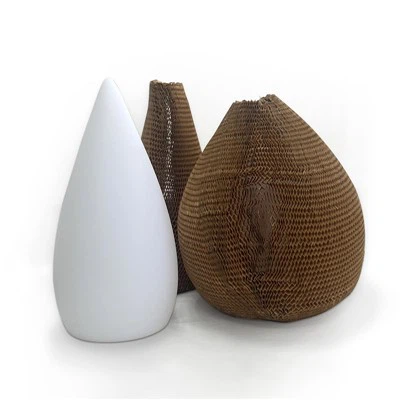
Before I go, a quick note on why all this works: the science behind honeycomb insulation is simple, but fragile. Those tiny air pockets are the best non-toxic, lightweight insulation out there, but they don’t bounce back well to rough treatment. Treat them gentle, follow these steps, and you’ll be set.
Wrapping Paper Reference:
- Harper, C. A., & Petrie, E. M. (2016). Insulation Materials: Performance and Applications. Plastics Engineering Handbook, 6th Edition, 452-478.
- Zhang, L., et al. (2020). Mechanical and Insulation Properties of Polypropylene Honeycomb Core Structures. Journal of Applied Polymer Science, 137(22), 48721.
- Food and Drug Administration. (2021). Cleaning and Maintaining Food-Contact Reusable Bags and Containers. FDA Food Safety Guidelines for Consumers.
Dongguan Xianghe Paper Co., Ltd.
Dongguan Xianghe Paper Co., Ltd. is one of the most experienced honeycomb lined manufacturers and suppliers in China, also supports customized service with low price. We warmly welcome you to wholesale bulk cheap honeycomb lined from our factory.
Address: No. 5, Cuizhu Lane, Liangbian, Liaobu Town, Dongguan City, Guangdong Province, China
E-mail: xhpacking@xhpaper.cn
WebSite: https://www.xhpacking.com/
