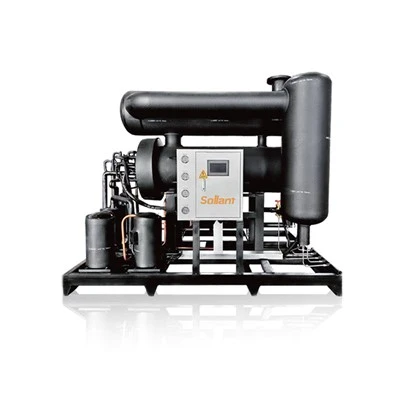
Hey everyone, it’s Jake from the desiccant air dryer team here. Lately, I’ve been getting this question nonstop from paint spray shop owners, auto body techs, and even industrial finish line managers: can a desiccant air dryer actually work for paint spray applications? Let me cut to the chase first—yes, it can, but there’s a lot more to it than just hooking one up to your spray gun. I’ve seen way too many shops skip the basics here and end up with botched paint jobs, wasted materials, and frustrated customers, so I’m breaking this down straight, no stuffy engineering jargon, just what actually works for real-world spray paint work. Desiccant Air Dryer
First, let’s get on the same page about why air dryers even matter for paint spraying. When you run a spray gun, it’s using compressed air, right? That air comes from your compressor, which sucks in moisture from the surrounding air—especially if you’re in a humid place, or running the compressor for long stretches without draining the tank. That moisture is the enemy of a good paint job. If you spray wet or humid compressed air into your paint, two things go wrong: first, the water mixes with the paint, causing runs, sags, or that weird cloudy finish on clear coats. Second, the moisture can get trapped between the paint layers, leading to peeling or rust later, even on interior parts. I’ve had a shop call me last month because their entire line of outdoor metal parts was failing in 6 months, turned out they were using a basic refrigerated dryer that couldn’t keep up with summer humidity.
Now, what’s a desiccant air dryer, vs. the other dryers most people know? Refrigerated dryers are super common—they cool the air to condense moisture, cheap to buy, easy to maintain, but they max out at around 38°F (3°C) dew point. That means there’s still a little moisture left in the air, enough to mess with sensitive finishes like automotive clear coat, powder coating, or food-grade paint for kitchen appliances. Then there’s desiccant dryers—they use material like alumina gel or molecular sieve to absorb moisture out of compressed air, and they can hit a dew point way lower, like -40°F (-40°C). That’s basically zero moisture left in the air you’re spraying.
Wait, so why would anyone not just go straight for a desiccant dryer? Upfront cost is the big one—desiccant units cost 2-3x more than a similar refrigerated model. But here’s the tradeoff: if you’re doing high-volume work, or working in humid climates, that extra cost pays for itself fast. Let’s do the math: if you waste $500 a month on repainting botched jobs, a desiccant dryer that’s $2,000 will pay for itself in 4 months. I’ve seen shops go back from refrigerated to desiccant exactly because of that waste.
Now, let’s get into the actual fit for paint spray applications, because not all desiccant dryers are made the same for this job. First, you need to match the dryer’s CFM rating to your spray gun setup. CFM is cubic feet per minute, that’s how much air the dryer can process. If you have two spray guns running at the same time, you need a dryer that can handle at least 15-20% more CFM than your peak demand. Too small, and the dryer can’t keep up, so moisture still gets through. Way too big, and you’re wasting energy on extra capacity you don’t need. That’s a mistake a lot of new customers make—they buy a unit that’s way overkill and end up paying more on electric bills.
Next, the type of desiccant dryer matters a lot. There’s two main types for industrial use: heatless desiccant dryers, and heated desiccant dryers. Heatless units use dry air to purge the desiccant bed, no external heat, so they’re lower cost, but they waste about 15-20% of your compressed air during regeneration. That’s fine for small shops with 1-2 spray guns, because the air waste is minimal. But if you’re a busy autobody shop with 4 spray guns running 8 hours a day, that 15% air waste adds up. Heated desiccant dryers use a little extra heat to regenerate the desiccant, so they only waste like 5% of your air, which is way more efficient for higher-volume work. I usually recommend heated units for shops doing more than 1,000 gallons of paint a month, or shops in areas where summer humidity tops 80%.
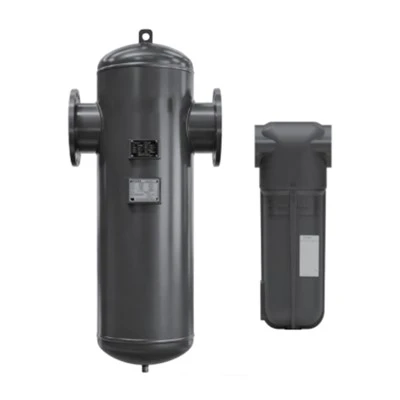
Then there’s the catch: desiccant dryers can bring in oil, right? Wait, no—if you pair the desiccant dryer with a good oil coalescing filter, that eliminates that issue. A lot of old desiccant units didn’t have filters, so the desiccant would shed tiny particles, or oil from the compressor would get into the desiccant, causing it to contaminate the air. But modern setups—at least the ones we sell—come with integrated filters or are designed to work with standard 1-micron oil filters right before the spray gun. That removes any oil or desiccant dust, so your paint stays clean. I’ve had a customer test this last month: they ran the setup for 2 weeks, did 120 car paint jobs, and zero had oil contamination or cloudy clear coat. That’s the kind of result people want.
Wait, but is there any time a desiccant dryer isn’t the right call? Yeah, if you’re a hobbyist doing a few small projects a month, like painting a bike or a small cabinet, a $100 in-line desiccant cartridge might be enough, no need for a full big unit. If you’re doing low-volume, indoor work in a dry climate, a refrigerated dryer is totally fine—you won’t notice the difference. But if you’re in a humid area, or doing high-production, high-quality finishes, desiccant is non-negotiable.
Let me share a real horror story to drive this home. A friend of mine owns a custom motorcycle shop in Florida—super humid, they do high-end custom paint jobs that can cost $5,000 a bike. They were using a refrigerated dryer, and every few bikes they’d get a clear coat that had tiny bubbles under the surface, or the paint would peel after a few months. They thought it was their paint formula, their spray guns, nothing worked. We swapped their refrigerated dryer for a small heated desiccant unit, added the oil filter, and boom—zero issues in 6 months. That’s not a fluke, that’s exactly what the dryer is supposed to do: eliminate all trace moisture that refrigerated units leave behind.
Now, let’s talk about common myths around desiccant dryers for spray work. First myth: desiccant dryers make the air too dry. No, not for paint spray. Paint (whether it’s water-based or solvent-based) already has the right mix of moisture and solvents. The air being dry just means when the paint atomizes, it dries evenly, no uneven runs or sags. I’ve never heard of a problem with too-dry air causing paint issues. Second myth: desiccant dryers are high-maintenance. Yeah, you have to change the desiccant occasionally, but modern units have indicators that tell you when it’s time, and that’s only every 1-2 years for most setups. Compare that to the time you’ll waste fixing botched paint jobs, that’s nothing. Third myth: all desiccant dryers are the same. Nope—cheap units from Amazon or no-name brands use low-quality desiccant that gets contaminated fast, no CFM matching, and no filters. Those are the ones that give desiccant dryers a bad name. We test every unit before it leaves our warehouse, so you know what you’re getting.
Another thing to consider: environmental regulations. A lot of places now have rules about volatile organic compounds (VOCs) from paint, and also about air quality in the shop. Desiccant dryers that use heated regeneration are actually more efficient, so you’re using less energy, which is better for your carbon footprint and your electric bill. Also, by eliminating moisture, you’re reducing waste of paint and compressed air, which is another environmental win.
Wait, let’s get practical for a shop owner thinking about this. What should you do if you’re trying to decide? First, calculate your peak CFM demand. Add 15% to that to get the right dryer size. If you’re in a climate where the average humidity is over 60% for 6+ months a year, go with a heated desiccant dryer. If you’re doing low-volume, under 50 gallons of paint a month, a heatless desiccant might work. Always add a good oil filter between the dryer and the spray gun—don’t skip that, that’s where most people mess up. And if you’re not sure what size you need, just reach out—we can help you size it for free, no sales pitch, just actual advice.
I’ve seen way too many shops waste money on the wrong dryers, or skip the dryer entirely and deal with the headaches later. The bottom line: a desiccant air dryer absolutely works for paint spray applications, and in most cases, it’s the best investment you can make for your finish work. It’s not a luxury, it’s a necessity if you want consistent, high-quality results, less waste, and happier customers.
Filter and Separator Series If you’re currently dealing with botched paint jobs, wasted materials, or just want to upgrade your setup, we can help. We’ve worked with auto body shops, custom painters, industrial finish lines, all kinds of paint spray operations, and we’ll find the right desiccant dryer for your specific needs, no one-size-fits-all nonsense. Just reach out to connect with our team to talk through your requirements, get a custom quote, or ask any questions you have about how it works for your application.
References
- Compressed Air Best Practices. (2022). “Choosing the Right Dryer for Industrial Paint Applications”.
- Automotive Touch-up Association. (2023). “Moisture Control in Spray Paint Systems: A Field Guide”.
- Pneumatic System Components Manufacturers Association. (2021). “Desiccant Dryer Performance Specifications for Finishing Operations”.
- HVAC&R Research. (2020). “Energy Efficiency of Desiccant Dryers for Compressed Air Systems”.
Shanghai Sollant Energy Saving Technology Co., Ltd.
As one of the most professional desiccant air dryer manufacturers and suppliers in China, we’re featured by quality products and good service. We warmly welcome you to buy bulk advanced desiccant air dryer from our factory. If you have any enquiry about cooperation, please feel free to email us.
Address: No.215, Songri Center, Beihongqiao, Jiading District, Shanghai, China
E-mail: info4@sollant.com
WebSite: https://www.sollanttreatment.com/
