The Tomb-Sweeping Festival, also known as Qingming Festival, is one of the most important traditional festivals in China. It falls around April 4th to 6th each year and is a time for people to pay respects to their ancestors by visiting graves, cleaning tombs, and offering sacrifices. Along with these solemn rituals, traditional Chinese pastries play a significant role during this festival, carrying both cultural and historical significance. As a supplier of Traditional Chinese Pastries, I’m delighted to introduce some of the most popular pastries associated with the Tomb-Sweeping Festival. Traditional Chinese Pastries
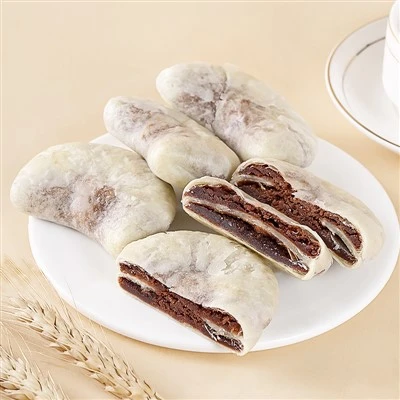
Qingtuan
Qingtuan is perhaps the most well – known traditional pastry for the Tomb – Sweeping Festival. It has a long history and is deeply rooted in the culture of the Jiangnan region in China. The main characteristic of Qingtuan is its vivid green color, which comes from the juice of mugwort leaves. Mugwort is a herb that is believed to have various health benefits, such as dispelling cold and dampness, and it is commonly used in traditional Chinese medicine.
The process of making Qingtuan is quite elaborate. First, fresh mugwort leaves are picked and washed thoroughly. Then they are boiled in water with a little baking soda to preserve the green color. After that, the leaves are ground into a paste and mixed with glutinous rice flour and sugar to form a soft dough. The dough is then divided into small portions, flattened, and filled with different kinds of fillings. The most common fillings are red bean paste, which has a sweet and smooth taste, and mashed pork, which offers a savory option.
Once the fillings are wrapped, the Qingtuan are steamed for about 15 – 20 minutes until they are cooked through. The finished Qingtuan has a soft and chewy texture on the outside, while the filling inside is rich and flavorful. It not only tastes delicious but also symbolizes the arrival of spring and the renewal of life. Many people see Qingtuan as a must – have treat during the Tomb – Sweeping Festival, and it has become a popular gift item among friends and family.
Ai Gao
Similar to Qingtuan, Ai Gao also uses mugwort as a key ingredient. Ai Gao is more commonly found in the southern parts of China, especially in Fujian and Taiwan. The main difference between Ai Gao and Qingtuan lies in their appearance and texture. Ai Gao usually has a more compact and solid texture, and it may have a square or rectangular shape.
To make Ai Gao, mugwort is first processed in a similar way as for Qingtuan, but the dough is often mixed with a higher proportion of glutinous rice flour, which gives it a denser consistency. The fillings for Ai Gao can vary widely, including sweet fillings like black sesame paste, peanut paste, or coconut shreds, as well as savory fillings such as minced meat, mushrooms, and bamboo shoots.
After the fillings are wrapped, Ai Gao is either steamed or fried. Steamed Ai Gao has a soft and moist interior, while fried Ai Gao has a crispy outer layer. Ai Gao is not only a delicious snack during the Tomb – Sweeping Festival but also a way to carry on the traditions and flavors of the local cuisine.
Sanzi
Sanzi is a traditional deep – fried pastry that is popular in many parts of China during the Tomb – Sweeping Festival. It has a unique shape, usually twisted into a knot – like form. Sanzi is made from a dough that is typically a combination of wheat flour, water, salt, and sometimes a small amount of oil.
The process of making Sanzi starts with kneading the dough until it is smooth and elastic. Then the dough is rolled out into thin strips and cut into appropriate lengths. These strips are then twisted and knotted together to form the characteristic shape of Sanzi. Before frying, the Sanzi may be left to rest for a while to allow the dough to relax.
When frying, the Sanzi are placed in hot oil and cooked until they turn golden brown and crispy. Sanzi has a crispy texture and a slightly salty taste, which makes it a great snack to munch on during the festival. It is also easy to store and transport, which is why it has been a popular choice for people to take with them when they visit the graves of their ancestors.
She Cake
She Cake is a traditional pastry of the She ethnic minority, which is widely consumed during the Tomb – Sweeping Festival in areas where the She people live. The main raw material for She Cake is the leaves of the Chinese sweet gum tree. These leaves are rich in natural pigments and nutrients.
To make She Cake, the leaves of the Chinese sweet gum tree are first boiled in water to extract the juice. Then the juice is mixed with glutinous rice flour and other ingredients such as sugar and salt to make a dough. The dough is then shaped into small cakes and steamed.
She Cake has a unique flavor that combines the natural fragrance of the tree leaves with the sweetness of the glutinous rice. It is not only a delicacy but also a symbol of the cultural heritage of the She ethnic minority. The tradition of making and eating She Cake during the Tomb – Sweeping Festival has been passed down from generation to generation, representing the respect and memory of the ancestors.
Why Choose Our Traditional Chinese Pastries
As a supplier of Traditional Chinese Pastries, we take great pride in offering high – quality products that are made with traditional recipes and the freshest ingredients. Our team of experienced chefs is dedicated to preserving the authenticity and flavor of these traditional pastries, ensuring that every bite brings you back to the rich cultural heritage of China.
We use only the finest mugwort leaves for our Qingtuan and Ai Gao, carefully selected to ensure the best color and flavor. The fillings are made in – house, with no artificial flavors or preservatives added, so you can enjoy the pure and natural taste. Our Sanzi is fried to perfection, with a crispy exterior and a soft interior, and our She Cake is made following the traditional methods of the She ethnic minority.
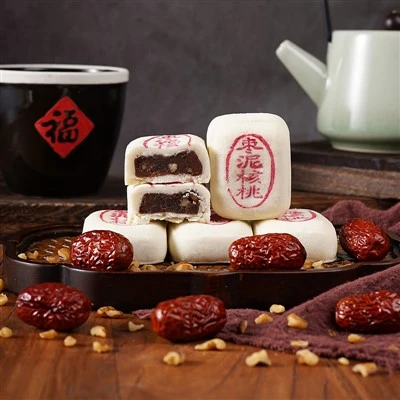
Whether you are a restaurant owner looking to add some traditional Chinese flavors to your menu during the Tomb – Sweeping Festival, or an individual who wants to share these delicious pastries with your family and friends, we are here to meet your needs. We can offer customized packaging options to suit your requirements, and we also provide flexible delivery services to ensure that our products reach you in a timely manner.
Moon Cake If you are interested in purchasing our Traditional Chinese Pastries for the Tomb – Sweeping Festival or any other occasion, please don’t hesitate to contact us. We are more than happy to discuss your specific needs and provide you with a detailed quote. Let’s work together to bring the rich and delicious flavors of traditional Chinese pastries to your table.
References
- "Encyclopedia of Chinese Traditional Festivals", published by a well – known Chinese publishing house, which provides detailed information on the cultural and historical background of the Tomb – Sweeping Festival and related traditional pastries.
- Local food culture research materials in different regions of China, such as those from the Jiangnan region, Fujian, and areas with She ethnic minority communities, which offer insights into the specific making methods and cultural significance of pastries like Qingtuan, Ai Gao, and She Cake.
Fujian Luchen Food Co., Ltd.
As one of the most professional traditional chinese pastries manufacturers and suppliers in China since 1986, our products have good reputation in the market. Please feel free to wholesale bulk delicious traditional chinese pastries from our factory. Good service and quality products are available.
Address: No. 19, Shangxipulou, Nansheng Town, Pinghe County, Zhangzhou City, Fujian Province
E-mail: service@xmnahan.com
WebSite: https://www.luchenbakery.com/
