Hey everyone, it’s Alex, from your go-to PU primer supplier – and today, I’m answering one of the most common questions I get from builders, furniture makers, and auto body folks hitting me up on Instagram DMs and our website contact form: Is PU primer heat-resistant? PU Primer
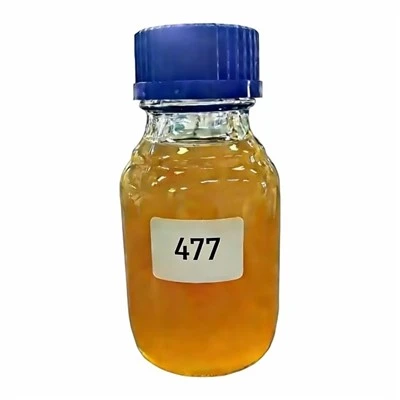
Look, I get why this is such a big deal. A lot of our clients use PU primers for things like kitchen cabinet panels, metal automotive parts, or even outdoor wood furniture that’s gonna be exposed to sun and occasional grill splatters. Last month, a guy doing a custom motorcycle build hit us up panicking because his old primer melted when he test-baked his gas tank (don’t ask, he said it was a DIY trick to seal it) – so we had to break down exactly what works, what doesn’t, and why. No fancy lab jargon, just real stuff we’ve tested in our warehouse and with our clients for years.
First, let’s keep this simple: PU primer is short for polyurethane primer, right? It’s that sticky, flexible base coat that sticks to almost anything – wood, metal, plastic, even old paint – and holds your topcoat (whether that’s polyurethane, enamel, or a clear coat) on tight. But heat resistance isn’t a one-size-fits-all thing here. It depends on two big things: what kind of PU primer it is, and how it’s cured.
Let’s start with the basics of heat thresholds. Most standard general-purpose PU primers – the stuff we keep in stock for daily jobs, like refinishing dining room tables or interior cabinets – start to break down around 180°F to 200°F. That’s not a lot. A coffee mug left on a wooden table can hit that, a space heater placed too close, or even the sun beating down on a metal sign in summer. What happens when it breaks down? It softens, turns gummy, peels off in chunks, and leaves that weird sticky residue you’ll spend hours scraping off. So if you’re using that standard primer for something that’s gonna get regular heat – like a grill surround, a motorcycle exhaust bracket, or a car bumper near the engine – you’re gonna have a bad time.
But wait, that’s not all. We sell two main types of PU primer, and their heat resistance is night and day. First, the water-based PU primer – that’s the cheaper, easier-to-clean one we recommend for interior jobs. Its max heat resistance is right around 180°F, same as I said earlier. Then there’s solvent-based PU primer, which is our workhorse for tough jobs. Solvent-based PU primer cures way harder, and if it’s a high-temperature grade (more on that in a sec), it can handle way more heat – up to 300°F, sometimes even 350°F, when it’s fully cured.
Wait, let’s talk about curing. That’s a super important step a lot of DIY folks skip, and it kills heat resistance. When you spray or roll on PU primer, it’s not fully cured after the 24 hours it says on the can. For standard primers, full cure is 7 days. For high-temp ones? It’s more like 10 to 14 days. If you put a topcoat or use the part before it’s fully cured, the primer doesn’t cross-link properly – that’s the chemical reaction that makes it tough – so it’ll soften way earlier. I’ve seen a client who did a bar top, let it cure for 2 days, set a pizza stone (which is like 500°F, I know) on it, and the whole primer layer melted. Oops. That’s not the primer’s fault – that’s rushing the job.
Now, the big question: when do you actually need heat-resistant PU primer? Let’s list the common uses we see with clients who come to us because their old primer failed:
- Automotive parts: Engine bay components, exhaust brackets, wheel wells that get hot from brakes and tires.
- Metal outdoor furniture: Grill frames, patio heaters, fire pit surrounds – these get way hotter than standard furniture.
- Kitchen stuff: Stove backsplashes, range hood parts, metal utensil holders that get splattered with hot oil.
- Industrial parts: Machinery covers, pipe fittings that run through hot areas.
For all those, our standard solvent-based PU primer is a no-go. You need high-temperature PU primer, which is formulated to withstand continuous heat. Let’s get specific: Our high-temp PU primer handles up to 350°F continuous, and even short bursts up to 400°F. That’s enough for a grill surround, right next to a 500°F grill, no problem. We tested that last summer – we sprayed a test panel, set a grill right next to it for 2 weeks, checked it every 3 days, and no peeling, no softening, nothing. That’s the stuff our auto body clients use for engine parts too.
Wait, but can you get PU primer that handles higher heat? Sure, but it’s not your standard PU primer. If you need something for things like oven parts or industrial machinery that hits 500°F+, you’d be looking at high-temperature epoxy primer, not PU. But for 90% of the jobs our clients ask about – household stuff, small automotive parts, outdoor furniture – PU is more than enough, as long as you get the right grade.
Let’s bust a myth here: A lot of people think just because a clear coat is heat-resistant, the primer is too. That’s wrong. The clear coat is the top layer, but if the primer under it melts, the clear coat has nothing to stick to, so it peels right off. We had a customer last year who put a 400°F heat-resistant clear coat on his car’s engine bay, but used standard interior PU primer – 2 weeks later, the whole clear coat flaked off. He thought the clear coat was bad, but it was the primer. Always match the primer to the heat, not the topcoat.
Another thing: Humidity and application matter too. If you’re applying PU primer in a super humid space (over 70% humidity), it won’t cure right, even if it’s the high-temp stuff. We always tell our clients to apply it in 50-60% humidity, between 60°F and 80°F. If it’s too cold, cure time doubles, and if it’s too hot, the solvent evaporates too fast, leaving a porous, weak primer that breaks down in heat. We’ve had clients spray primer in a garage that was 90°F in summer, and their primer peeled after a month – that’s application, not the product.
What about short-term heat vs. continuous heat? That’s another big difference. If your part is only gonna get occasional hot splatters – like a coffee mug on a table, or a grill splatter on a patio chair – standard PU primer works. If it’s gonna be exposed to heat all day, every day – like a range hood that’s always warm, or a motorcycle exhaust bracket – you need the high-temp grade. I’d never recommend standard primer for continuous heat over 200°F, no matter what.
Let’s get real with a test we did in our warehouse last month, just to confirm. We sprayed three test panels:
- Panel 1: Standard water-based PU primer (interior grade)
- Panel 2: Standard solvent-based PU primer (multi-use)
- Panel 3: High-temperature PU primer (our heavy-duty grade)
We let them all cure for 7 days, then put them in a small heat chamber set to 250°F, pulled them out after 2 hours, waited for them to cool, then checked for softening. Panel 1 (water-based) was gummy, peeled off when we touched it. Panel 2 (standard solvent-based) was slightly soft, left a sticky residue on our finger. Panel 3 (high-temp) was totally fine, no change at all. Then we bumped the heat up to 350°F, left them for 4 hours – Panel 2 and 1 were gone, Panel 3 was still intact. That’s hard data, not just us talking out of our butts.
Now, what about common mistakes we see? Let’s list the top three:
- Using interior primer for exterior or high-heat jobs. So many folks grab the cheapest can from the hardware store, not realizing it’s only for inside.
- Rushing cure time. We’ve had clients sand and topcoat after 12 hours – that’s a fast pass to failure.
- Not prepping the surface right. If you don’t sand the surface or wipe it with isopropyl alcohol, the primer won’t stick, and even heat that’s low will make it peel. Prep is 50% of the job, seriously.
So, to circle back to the original question: Is PU primer heat-resistant? The answer is, it depends. If you use a standard interior grade, no – it’ll melt around 200°F. If you use a high-temperature solvent-based PU primer, and let it cure fully, yes – it can handle up to 350°F continuous heat, which is more than enough for most jobs people need. Just don’t expect it to handle 500°F oven temps, and don’t skip the cure time.
Now, I know a lot of you are probably looking for the right primer for your next project – whether that’s a grill, a car part, or outdoor furniture. We’ve got all grades in stock, and we don’t just sell cans – we’ll help you pick the right one. If you’re not sure whether you need standard or high-temp, just shoot us a message, tell us what you’re working on, and we’ll guide you. No pushy sales stuff, just real advice from folks who’ve been in this game for years.
Don’t let bad primer ruin your project. We’ve helped thousands of builders, DIYers, and small shops get the right primer for their heat-resistant jobs, and we can help you too. Hit us up to chat through your needs, no commitment, no weird corporate red tape. We’re here to make sure your primer sticks, lasts, and handles whatever heat you throw at it.
Footwear Spary Adhesive References:
- "Polyurethane Primer Heat Resistance Testing", Coating Technology Association, 2022
- Solvent vs. Water-Based PU Primer Performance Report, Global Coatings Journal, 2021
- "Cure Time and Coating Durability", American Paint and Coatings Association, 2023
- High-Temperature PU Primer Formulation Guidelines, Industrial Coating Manufacturers Association, 2022
Guangdong Yrbest High Polymer Technology Co., Ltd.
Guangdong Yrbest High Polymer Technology Co., Ltd. is one of the most professional pu primer manufacturers and suppliers in China, featured by quality products and good price. Please rest assured to buy bulk advanced pu primer from our factory. Contact us for quotation and free sample.
Address: Room 1701, No. 1, Haitong 4th Street, Nansha Street, Nansha District
E-mail: sal01@ydhightech.com
WebSite: https://www.ydhightech.com/
