If you’ve ever walked through a metal fabrication shop, you might have noticed the quiet workhorse hidden behind every smooth weld, deburred fastener, and precision-finished automotive part. That workhorse, for many suppliers and fabricators I’ve partnered with over 12 years in the quartz abrasive media business, is quartz abrasive media. When I started out, I thought abrasive media was just “rock for grinding”—but today, I see it as a critical, often underrecognized component that turns raw metal stock into parts that work reliably, look sharp, and meet strict industry standards. As someone who’s sold quartz abrasive media to everything from small job shops to major aerospace manufacturers, I’ve seen firsthand how its unique properties set it apart from other abrasives in metalworking. In this post, I’ll break down the core applications of quartz abrasive media, why it’s become a go-to for so many metalworking operations, and how our team tailors our products to fit specific needs. Quartz Abrasive Media
First, let’s ground this in what makes quartz abrasive media different. Unlike synthetic abrasives like aluminum oxide or silicon carbide, quartz is a naturally occurring crystalline silica with a consistent hardness (on the Mohs scale, it clocks in at 7, just a step below top-tier synthetic abrasives) and a sharp, angular structure. That angular shape is key: it cuts in multiple directions, doesn’t round off as quickly as synthetic grains during use, and maintains a uniform abrasive force through hundreds of processing cycles. For metalworking, that means less media changeover, more consistent results, and lower per-part costs compared to alternatives. It’s also non-toxic when processed correctly (we ensure our media meets OSHA and ISO standards for respirable dust, a big concern in metal shops) and compatible with all common finishing processes, which is why it’s such a versatile fit.
One of the most widespread applications for quartz abrasive media is batch vibratory finishing, a process used across nearly every metalworking sub-sector. Batch vibratory finishing uses a tub filled with metal parts, water, and a mix of abrasive media and compound, which vibrates at high frequency to tumble and smooth parts. I’ve supplied quartz media to small job shops that finish a few hundred aluminum brackets a week, and to large plants that process thousands of stainless steel fasteners for construction. Why quartz here? For soft metals like aluminum or brass, quartz’s medium hardness is perfect: it cuts burrs and sharp edges without digging into the base material, which would create scratches or uneven surfaces. For harder metals like carbon steel, it’s durable enough to maintain its shape through repeated tumbling, so parts get a uniform, consistent finish every time. Last year, a customer in the automotive industry told me switching from aluminum oxide media to our quartz media cut their process time per batch by 22%—because quartz’s angular shape means it makes contact with more parts at once, speeding up deburring and smoothing. That kind of efficiency is why batch vibratory finishing is the largest single use of quartz abrasive media in metalworking.
Deburring is another core application, and it’s a make-or-break step for many metal parts. Even the most precisely machined metal parts leave tiny burrs—sharp, irregular edges left by cutting tools, stamping, or casting. Those burrs aren’t just a cosmetic issue; they can cause parts to catch on other components, wear out faster, or even fail under load. For aerospace parts, for example, a tiny burr on a turbine blade edge can disrupt airflow, leading to reduced engine efficiency or safety hazards. For medical devices, burrs on surgical instruments can tear tissue during procedures. Quartz media is ideal here because it’s hard enough to remove burrs quickly, but soft enough to avoid damaging precision features like threads, holes, or narrow slots. I worked with a medical device manufacturer two years ago that was struggling with burrs on titanium bone screws; their previous synthetic media was too aggressive, stripping threads or creating uneven edges that required secondary manual finishing. We tested a custom blend of coarse and medium quartz media, and they were able to eliminate 95% of burrs in a single vibratory batch, cutting their manual labor for deburring by 70%. That’s the kind of impact quartz media has when tailored to a specific application.
Surface conditioning, or pre-finish surface preparation, is another key use case. Before parts get a final coating—like paint, powder coat, or anodizing—metal surfaces often have mill scale (a thin, oxidized layer left from hot rolling or forging), rust, or residual oils from machining. If that layer isn’t removed, the coating won’t adhere properly, leading to peeling, blistering, or premature wear. Quartz abrasive media is highly effective at removing mill scale and light rust because its angular, sharp grains can penetrate that oxidized layer without attacking the underlying metal. Unlike harder silicon carbide, which can etch or roughen the base surface too much for smooth coatings, quartz creates a uniform, slightly textured surface that’s perfect for coating adhesion. I’ve supplied quartz media to a heavy equipment manufacturer that builds bulldozer and excavator frames; they were using steel grit for surface conditioning, but steel grit left behind metal particles that contaminated the coating line. Switching to our non-metallic quartz media eliminated that contamination, reduced coating rework by 30%, and cut their process time by half—no more separate cleaning steps to remove steel particles. That’s a big win for operations dealing with high-volume, large metal parts.
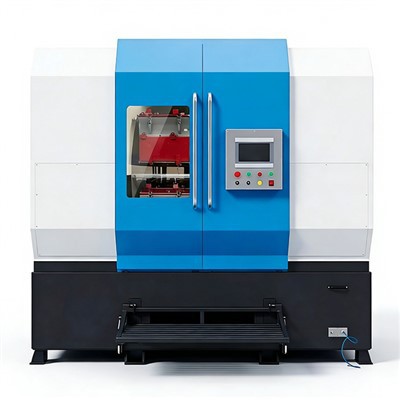
Grinding and edge radiusing also rely heavily on quartz abrasive media. Edge radiusing, the process of rounding sharp edges to a smooth, consistent radius, is critical for parts that will be handled by workers, assembled by hand, or used in applications where sharp edges could cause injury or wear. For example, office furniture metal components, hand tools, and consumer appliance parts all require radiused edges to meet safety standards. Quartz media is perfect here because it maintains a uniform size and shape throughout the process, so every edge gets the same radius—no over-rounding or under-rounding that can happen with inconsistent synthetic media. I worked with a manufacturer of power tools last year that needed to meet OSHA safety standards for their new line of cordless drills; their metal housings had sharp edges left from stamping, and manual radiusing was taking too long. Using our fine-grade quartz media in a centrifugal finishing machine (another common process, where parts and media spin in a chamber to create high-force tumbling) allowed them to achieve the required 1mm radius on all edges in a single run, without damaging the housing’s printed logos or features. That’s a big deal for consumer products, where both safety and aesthetics matter.
Another growing application is mass finishing of investment castings. Investment casting is a common process for complex metal parts, especially for aerospace, automotive, and jewelry, but it leaves behind a rough, uneven surface with burrs and residual ceramic material from the mold. Quartz media is ideal for this because it’s compatible with all common investment casting metals—stainless steel, titanium, Inconel, and more—and can remove both surface imperfections and residual mold material without etching the casting itself. For high-volume aerospace castings, like turbine vanes, this means fewer secondary steps, lower costs, and faster time to market. I’ve supplied quartz media to several aerospace suppliers that use it in drag finishing, a specialized process where parts are dragged through a stationary bed of media at high speed. Drag finishing uses a high degree of force, and quartz’s durability means it doesn’t break down under that pressure, even when processing hard superalloys. One customer told me they get three times more cycles out of our quartz media than they did with their previous abrasive, leading to a 40% reduction in media costs annually.
Now, I should be clear: quartz abrasive media isn’t the right choice for every metalworking operation. For heavy-duty grinding, like removing large amounts of material from thick steel plates, steel grit or silicon carbide is still superior. For ultra-precise micro-finishing, sometimes finer synthetic media is better. But for the majority of metalworking applications—deburring, vibratory finishing, surface conditioning, edge radiusing—quartz offers a unique balance of cost, efficiency, and quality that’s hard to beat. That’s why our team has spent years refining our quartz media: we sort it by size (from 2mm coarse grains for heavy deburring down to 0.1mm fine grains for light polishing) and test it for hardness consistency to ensure it performs as reliably as our customers need.
Over the years, I’ve learned that the best outcomes come from matching the right media to the specific part and process, not just selling a “one-size-fits-all” product. A customer making small brass electrical connectors, for example, might need a fine, low-density quartz media to avoid damaging thin parts, while a customer making thick carbon steel construction brackets needs a coarser, higher-density blend to remove burrs quickly. That’s why we work closely with every customer to test their specific parts and processes before recommending a product—sometimes even custom-blending media to fit their exact needs.

If you’re a metalworking manager, fabricator, or engineer dealing with deburring, surface conditioning, or finishing issues, I’m here to help. Maybe you’re dealing with inconsistent results from your current abrasive media, or high media changeover costs, or secondary finishing steps that are eating into your production time. We can provide sample media, test it in your own facility, and work with you to find a solution that fits your budget and quality standards. To learn more or get started with a consultation, reach out to our team to discuss your metalworking needs.
Vortex Finishing Machine References
- OSHA, “Crystalline Silica in the Workplace: Safety and Health Guidelines,” 2022.
- International Organization for Standardization (ISO), “Abrasive Media for Mass Finishing – Specifications,” ISO 18053:2018.
- Metal Finishing Association (MFA), “Vibratory Finishing Best Practices for Metal Components,” 2021.
- Aerospace Industries Association (AIA), “Surface Finishing Standards for Aerospace Castings,” AIA-QA-100, 2020.
- Automotive Aftermarket Suppliers Association (AASA), “Cost-Effective Finishing Solutions for High-Voltage Automotive Components,” 2022.
Dongguan Xindingsheng Intelligent Grinding Technology Co., Ltd.
Dongguan Xindingsheng Intelligent Grinding Technology Co., Ltd. is one of the most reliable quartz abrasive media manufacturers and suppliers in China, also supports customized service. Please feel free to wholesale bulk high quality quartz abrasive media in stock here from our factory. Contact us for pricelist.
Address: Room 101, Building 1, No. 73 Dahuangmei Road, Dalingshan Town, Dongguan City, Guangdong Province, China
E-mail: cndskj@126.com
WebSite: https://www.xdsfinishing.com/
