Hey everyone, it’s Jake here from the weather station crew—you know, the group that’s got your back when you need reliable weather data for whatever you’re doing, whether you’re checking if your kid’s soccer practice is gonna get rained out or calibrating a farm that feeds a whole town. Lately, I’ve been getting so many DMs and comments asking, “What even are the different types of weather stations out there? Because some of the ones I’ve seen look totally different, and I have no clue which I need.” Fair enough—when you’re a small farm, a backyard hobbyist, or even a town planning snow removal, picking the right one feels like trying to decode a foreign language. Today I’m breaking down the main types, no fancy jargon (I promise), and dropping some real talk about what actually works for each use case. Weather Station
First off, let’s start with the most common one you’ve probably seen, even if you didn’t realize it. That’s the Consumer/DIY Weather Station. These are the ones that sit on someone’s backyard fence, a balcony, or a rooftop—super simple to set up, usually plug into Wi-Fi or Bluetooth, and sync to an app on your phone. What do they measure? The basics: temp, humidity, rainfall, wind speed, wind direction, sometimes barometric pressure. They’re cheap, like, entry-level models start at $50, and even the fancy ones for hobbyists are under $300. I’ve seen people use these to garden—like, if you’re growing tomatoes and need to know when humidity’s high enough for blight, this is perfect. Or if you’re a surfer checking wind direction before heading out. But here’s the catch: they’re not super accurate. Most of the cheap ones use basic sensors that get thrown off by, say, your AC unit blowing cool air on the temp sensor, or a neighbor’s sprinkler messing up the rainfall gauge. They’re great for personal use, but not if you need data that’s actually precise for work or serious projects. We sell a couple of these, but we always tell customers: “This is for your personal backyard fun, not for a commercial farm.” That’s important to be upfront about.
Next up, the Semi-Pro/Professional Weather Station. This is where things get serious, and it’s the sweet spot for a lot of our small business and farm customers. These are a step up from the DIY ones—better sensors, sturdier build (they can handle wind, rain, extreme heat/cold way better), and more accurate measurements. They still connect to Wi-Fi/apps, but the data is reliable enough for things like small-scale agriculture, home brewing, or even a local school’s science club. What can they measure that the DIY ones can’t? Maybe solar radiation, leaf wetness (super important for farmers tracking fungal disease), or UV index. Most models are built for outdoor long-term use, so you don’t have to adjust them every month. We sell a ton of these to organic veggie farms—they need precise data to schedule irrigation and pesticide applications, and these stations give them that without the big price tag of a full commercial system. The entry-level pro ones start around $300, and go up to $1,500 for the top-tier ones with extra sensors. Worth every penny if you’re not messing around with your livelihood on the line.
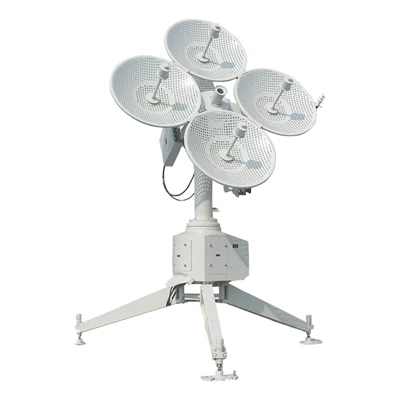
Then there’s the big league: Commercial/Industrial Weather Stations. These are the ones you see at airports, national parks, power plants, or large commercial farms. They’re not cheap—we’re talking $2,000 and up, sometimes way more if you need custom sensors—but they’re built to military-grade or NOAA standards for accuracy. What makes them different? Multiple redundant sensors (so if one goes down, another kicks in), solar radiation shields that block direct sunlight completely, anti-clog rainfall gauges that work in heavy snow or rain, and they sync to servers 24/7 to store data for years. These are used for actual decision-making: airports use them to alert pilots of wind shear, power companies use them to plan for heatwaves (so they don’t overgrid), and large corn and soy farms use them to create hyper-local weather models for yield forecasting. We work with a lot of local municipalities that use these for storm tracking and snow removal planning—they need data that’s consistent and accurate enough to issue official weather alerts for their area. No cutting corners here.
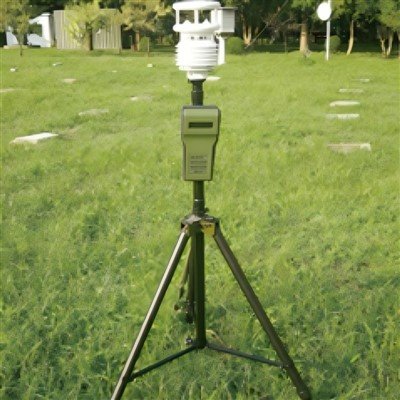
Wait, I can’t forget about the Mobile/Portable Weather Stations. These are the ones you can grab and take with you—like if you’re a researcher doing a field study in the mountains, or a contractor installing a new roof and need to check wind speeds before working at height, or even a hiker who wants a portable unit for backcountry trips. They’re compact, battery-powered, some are even water-resistant enough to take kayaking. The cool thing is they’re not just for people on the move—some farm owners use them to check conditions in different parts of their property, like a hilly field vs. a flat pasture, by moving the portable unit around. The entry-level portable ones are around $100, and the more heavy-duty ones for work or research go up to $1,000. We’ve had a lot of forest rangers order these—they use them to track fire weather conditions when they’re out on patrol, which is super important for preventing wildfires.
And then there’s a category that’s been blowing up lately: Smart/IoT Weather Stations. These are kind of the bridge between pro and industrial, but they’re built for the digital age. They don’t just measure weather—they integrate with other smart devices. Like, if you have a smart irrigation system, the IoT weather station can send data directly to it, so your sprinklers only turn on when it’s actually needed (no wasting water when it’s gonna rain later that day). Or they can connect to your home’s HVAC system to adjust heating/cooling based on outdoor temp and humidity, which saves energy. A lot of our customers in commercial real estate use these for office buildings to adjust thermostat settings automatically, which cuts down on utility bills. They’re usually Wi-Fi connected, have cloud storage, and some even use AI to analyze the data and give recommendations—like “your tomato plants are at risk for blight tomorrow, so spray fungicide today.” The price points here vary, starting around $250, so they work for both residential and small business use.
Okay, let’s be real for a second—there’s no “one size fits all” here. I’ve had a customer come to me last year saying they bought a $100 DIY station for their commercial apple orchard, and they were complaining that the data was “wrong.” When I checked, sure enough, their temp sensor was mounted next to a metal shed that was heating up in the sun, so it was reading 10 degrees hotter than the actual air temp. That’s why I always make sure to ask customers a few questions first: what do you need the data for? How accurate do you need it? Where are you putting it? How much do you want to spend? Because if you need data to make a decision that affects your income, you don’t want to cut corners on sensors. But if you just want to track rain for your backyard garden, a $50 DIY station is totally fine—no need to drop $2k on something you don’t need.
We’ve been in this game for years, and one thing I’ve learned is that everyone’s weather needs are different. A high school science class might just need a basic station for their projects. A construction company building a new bridge over the river needs a portable station to track wind speeds during lifting. A vineyard needs a pro station to track humidity for grape ripening and pest control. We don’t push the most expensive stuff on people—we help them figure out exactly what they need, no upselling, no hidden fees. That’s why a lot of our customers come back year after year, and refer us to their neighbors or colleagues.
If you’re reading this and you’re not sure which weather station is right for you—whether you’re a hobbyist, a small business owner, a local government, or even a farmer looking to upgrade your current setup—hit us up to chat. We can walk through your specific needs, give you honest advice, and even help you with installation if you need it. No pressure, just real talk about weather stations that actually work for what you’re doing. Don’t make the same mistake that apple orchard customer did—buying the wrong station just because it’s cheap, and ending up with data that’s useless. Let’s get you set up with something that gives you reliable, actionable data.
Meteorological Sounding System References:
- National Oceanic and Atmospheric Administration (NOAA). "Weather Station Types and Their Uses." NOAA.gov, 2023.
- American Meteorological Society (AMS). "Sensor Accuracy Standards for Weather Monitoring." AMS.org, 2022.
- International Society of Automation (ISA). "IoT Weather Station Integration Guidelines." ISA.org, 2023.
- USDA Agricultural Research Service (ARS). "Weather Stations for Precision Agriculture." USDA.gov, 2022.
- Occupational Safety and Health Administration (OSHA). "Portable Weather Stations for Construction Site Safety." OSHA.gov, 2023.
Tianjin Blooming Technology Ltd.
We are one of the most professional weather station manufacturers and suppliers in China, also support customized service. With abundant experience, we warmly welcome you to buy durable weather station for sale here from our factory. For price consultation, contact us.
Address: Main Building, No. 10 Wuhua Road, Huayuan Industrial Zone, Binhai High-tech Zone, Tianjin, China
E-mail: sales@blooming-tech.com
WebSite: https://www.blooming-tech.net/
