Hey there, I’m Jake, and I’ve been selling flat washers for over a decade now—so you could say I’ve fielded my fair share of wild questions from builders, mechanics, DIYers, and even the random guy fixing a backyard fence at 7 PM on a Saturday. But one question that pops up more than you’d expect is, “Do flat washers come in colors?” Let me cut to the chase: yeah, they do—but it’s not as simple as grabbing a neon pink washer at the hardware store next to a bag of colored LEGO bricks. There’s a whole science (and a little bit of practical sense) behind why color matters, and how we as suppliers actually make those colored washers. Let’s break this down like we’re chatting over a cold beer after a long day of shipping orders. Flat Washers
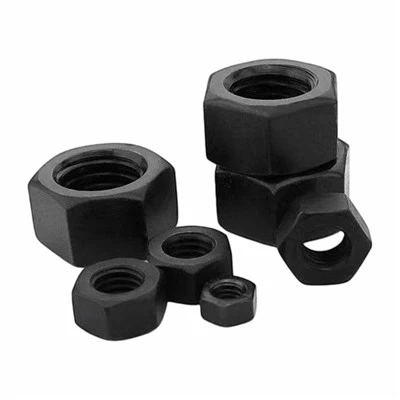
First off, let’s get one thing straight: not all flat washers are meant to be colorful. Most of the ones you see in standard gray, silver, or even that dull rusty tone are plain steel, right? Those are the workhorses—they spread load, keep bolts from digging into soft wood or flimsy metal, and do their job without drawing attention. But when do you need color? Think about scenarios where you don’t want washers getting lost, or where color has a functional job. Like, if you’re working on a custom motorcycle build and you don’t want a random plain steel washer blending in with your shiny chrome frame—color-coded washers make it easy to spot loose bolts at a glance for future maintenance. Or how about construction sites where crews are juggling 10 different types of fasteners? A bright green washer for electrical bolts, red for structural, blue for plumbing? That cuts down on mistakes big time. No more grabbing the wrong washer and delaying a whole job.
Now, how do we actually color a flat washer? You can’t just spray paint them, that’s for sure. Paint chips off almost immediately, especially when you’re tightening a bolt—friction, vibrations, exposure to the elements, all that stuff makes paint flake away. So we use two main methods that are durable enough to hold up, and I’ve tested both over the years to make sure they don’t let our customers down.
The first method is electroplating with a colored coating. Wait, not just plain zinc—though zinc is common for rust resistance. We use things like zinc plating with a chromate conversion coat. Let me explain that like I’m explaining it to my cousin who builds decks. When you put a steel washer into a chemical bath, an electric current makes a thin layer of metal (like zinc) stick to the surface. Then we dip it in a chromate solution that changes the surface of that zinc layer. That’s where the color comes from—you can get clear, silver, yellow, blue, even black from different chromate formulas. I remember the first time we got a batch of yellow washers; I thought it was just a fancy finish, but no—yellow chromate actually has better corrosion resistance than plain zinc, which is why it’s super popular for outdoor projects.
The second method is powder coating. This is more for washers that need a thicker, more durable finish, or ones that will be exposed to really harsh conditions. Powder coating is a dry pigment mixed with resin that you electrostatically charge, then spray onto the washer. The charged powder sticks to the metal, and then we bake the washer in an oven at like 400 degrees Fahrenheit, melting the powder into a smooth, hard coat. The colors here are basically endless—we’ve got neon orange for custom car projects, matte black for industrial machinery, even camouflage for weird one-off jobs I can’t repeat. The catch with powder coating? It’s not great for washers that need to fit in tight spaces because the coat adds a tiny bit of thickness, but for most applications, it’s way more scratch-resistant than paint.
Now, let’s get real about the trade-offs. Colored washers aren’t as cheap as plain steel ones, right? Adding the coating process takes time and materials, so we pass that cost on (but we keep it fair—we don’t mark up 300% just because it’s blue, that’s a scam). Also, not every size or material can be colored. Tiny washers, like those for electronics? The plating process is too delicate, so we don’t even try. Stainless steel washers, the kind you use for marine applications? They can be colored, but the coating doesn’t hold up as well in saltwater, so most folks just go with plain polished stainless.
I’ve seen all kinds of mistakes people make with colored washers too. Last year, a builder called me panicking because his neon red washers chipped halfway through framing a house. Turns out he tried to use spray paint on standard steel washers instead of getting the electroplated ones. We sent him a replacement batch for free, and he’s now one of our regulars—always warns new guys on his crew to not cut corners with cheap colored fasteners. Another customer, a race car mechanic, swears by our matte black powder-coated washers because they don’t reflect light under the track lights, making it easier for him to line up parts without glare. That’s the kind of practical use I didn’t even think about when we first started offering colored options.
Wait, let’s also talk about what “color” actually means in the fastener world. It’s not just for show—there are industry standards for color coding that a lot of contractors follow. For example, the Aerospace Industries Association has specific color codes for fasteners used in planes, so colored washers aren’t just a convenience, they’re a requirement there. On construction sites, OSHA doesn’t mandate color for washers, but many big contractors have their own internal codes to keep inventory straight. So when someone asks for a “blue zinc washer,” they’re not just being picky—they’re ordering something that’s been pre-approved for their project’s specifications.
I should also mention that there are some eco-friendly options now, too. A few years back, we switched from using hexavalent chromium in our chromate coats to trivalent chromium because hexavalent is toxic. That’s been a big win—same colors, same durability, way better for the environment and for the guys handling the parts. And for powder coating, we use zero-VOC formulas (volatile organic compounds) that don’t release nasty fumes when we bake them. It’s a little more work, but if we can do our part to not poison the air or the workers, that’s non-negotiable for me.
Let me wrap this up with a quick story that sums up why colored washers matter more than you think. A guy named Mike emailed me last month—he restores vintage John Deere tractors, and he was working on a 1965 model that had all the original green paint. He’d been hunting for matching green washers for the engine bay for months, because every plain steel washer would stick out like a sore thumb. We sourced a powder coating supplier that could match the exact John Deere green, sent him a sample, and he placed an order for 500 washers. His email a week later said it was the final detail he needed to finish the restoration, and he won a local tractor show with it. That’s the stuff that makes my job worth it—we’re not just selling parts, we’re helping people make things look and work right.
So to answer the original question: yes, flat washers absolutely come in colors, but they’re not a random fun accessory. They’re functional, they follow standards, and they go through a process to make sure they hold up to whatever you throw at them. Plain washers will always be the backbone of every project, but colored ones? They’re there when you need to keep things organized, make maintenance easier, or just make a custom project look perfect.

If you’ve got a project where you need colored flat washers—whether it’s a tractor restoration, a motorcycle build, a construction job, or something totally weird that I haven’t heard of—hit me up to chat. I can walk you through the different options, help you pick the right color and finish, and make sure you get exactly what you need without wasting money on stuff that won’t work. Don’t hesitate to reach out, even if you’re just curious about how it all works. I’m always down to talk shop about washers, no matter how small the order is.
Structural Bolts References
- Aerospace Industries Association. (2020). Fastener Color Coding Standards for Aerospace Applications.
- Metal Finishing Association. (2021). Electroplating and Coating Processes for Fasteners.
- Occupational Safety and Health Administration (OSHA). (2019). Construction Industry Fastener and Component Identification Guidelines.
- Powder Coating Industry Association. (2022). Sustainable Coating Practices for Metal Parts.
Handan Jihao Fastener Co., Ltd.
We’re known as one of the most professional flat washers manufacturers and suppliers in China. With abundant experience, we warmly welcome you to wholesale customized flat washers made in China here from our factory. If you have any enquiry about cooperation, please feel free to email us.
Address: A2, Row 31, Feiyu Screw World, Hebei Pu, Linmengguan Town, Yongnian District, Handan City, Hebei Province
E-mail: wenzhaona0@gmail.com
WebSite: https://www.chinaboltnut.com/
