If you’ve ever dug through a messy drawer of random socks, tangled phone chargers, or tiny craft supplies just to find one thing, you know how frustrating disorganization can get. As someone who’s spent years working with compartment trays—both as a user and now as a supplier of them—I can tell you this isn’t just about putting stuff in little boxes. It’s about making the most of the space you already have, cutting down on time wasted searching, and even protecting the things you care about from damage. Today, I’m breaking down exactly how to organize with compartment trays, no fancy tools or extreme decluttering required. Compartment Trays
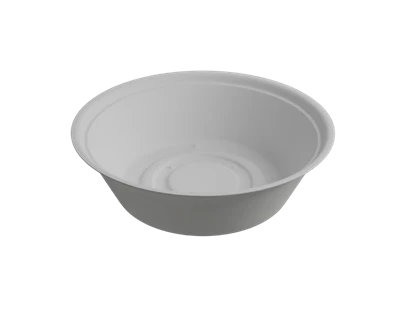
First, let’s get one thing straight: not all compartment trays are created equal. I see this mistake all the time—people grab whatever plastic tray is on sale, toss it in a drawer, and wonder why it doesn’t work. The right tray depends on what you’re storing, where you’re putting it, and how much space you have. For example, a big, shallow tray works perfectly for a kitchen junk drawer, but if you’re organizing small craft beads or hardware screws, you need a tray with smaller, uniform compartments. And if you’re using it in a toolbox or under a sink, look for trays with non-slip bottoms or tight-fitting lids so things don’t spill when you move them. I always tell new customers: measure your space first. Grab a tape measure, jot down the width, depth, and height of the drawer, shelf, or bin you’re working with, and then look for trays that fit. Nothing’s worse than a tray that’s too big to slide in, or too small to hold everything you need.
Once you’ve got the right tray, the next step is to sort your items like a pro. This isn’t just grouping random stuff together—it’s about creating categories that make sense for how you use things. Let’s say you’re organizing a bathroom drawer. Don’t just pile all your skincare stuff in one spot. Think about what you reach for every morning vs. every night. That daily facial cleanser and moisturizer? Put those in one small compartment near the front. The hair ties, bobby pins, and tiny hair clips go in their own section. The larger, less-used things like travel-sized toothpaste or makeup brushes can go in a deeper compartment toward the back. For a garage or workshop, sorting by type is key: separate screws, nails, and bolts by size, then keep drill bits, sandpaper, and small hand tools in their own compartments. I’ve even seen people organize their desk drawers this way: pens, pencils, and markers together; sticky notes, paper clips, and rubber bands in another; and batteries, staples, and tape in a third. The rule here is: if you can’t remember what’s in a compartment at a glance, you’re not organizing right. Keep categories simple, not overcomplicated.
Now, here’s a trick most people miss: adjust your trays for different uses, and mix and match sizes if you need to. A lot of compartment tray sets come in modular pieces—you can take out dividers to make larger compartments, or add small dividers if you need more spots. For my customers who run small businesses, like Etsy makers, I recommend mixing a large, medium, and small tray to organize their supply stash. The big tray can hold rolls of ribbon and fabric scraps, medium ones hold paint bottles and glue sticks, and the tiny ones hold buttons, pins, and small beads. This works way better than a one-size-fits-all set. I also love using compartment trays in places you don’t usually think about—like inside a pantry door for storing packet soups or spice blends, or in a car’s glove box for storing roadside emergency supplies like jumper cables, band-aids, and a tire pressure gauge. It’s not just for drawers anymore.
Wait, but what about the stuff that doesn’t fit in a compartment? A lot of people get stuck here. If you have a larger item, like a blender lid or a spatula, don’t force it into a tiny compartment. Instead, use the tray as a sort of “anchor” for smaller items that tend to get lost, while leaving the larger space on the tray for the big things. For example, in a kitchen drawer, you can have a compartment tray that takes up half the drawer for small utensils, then leave the other half free for bigger stuff like measuring cups and wooden spoons. That way, you still get the organization benefit of the tray without wasting space on items that don’t belong in small spots. I also suggest labeling your compartments if it’s easy to mix things up. A little masking tape with a handwritten note works, or even a sticky label—you don’t need a fancy printer. If you can glance at a spot and know exactly what’s there, you won’t end up rearranging everything again in a week.
Now, let’s talk about maintenance, because organizing isn’t a one-time thing—it’s a habit. The best compartment trays in the world won’t stay organized if you just dump new stuff in randomly. Every few months, take two minutes to do a quick check: toss any broken or expired items (that old tube of lotion from 2021? Out), and rearrange categories if something’s not working. For example, if your desk’s pen compartment is always full but you never use half the pens, move the extra ones to a home office supply bin instead of cluttering up the tray. I also recommend wiping your trays down every few weeks—spills, dust, and crumbs can build up in small compartments, which makes it harder to see what’s inside. A quick wipe with a damp cloth is all it takes, and it keeps your organization fresh.
Let me share a quick customer story to make this real. A few months back, a mom reached out to me saying she was constantly digging through her kids’ art supplies—crayons, markers, glitter, googly eyes, and glue sticks—every time they wanted to do a project. She had a messy drawer where everything was mixed together, and half the markers were dried up. I suggested a set of medium and small compartment trays. She used the small ones for the tiny stuff: googly eyes, stickers, and glitter. The medium tray held the crayons (she arranged them by color so the kids could find blue easy) and markers. She even left a little extra space on the tray for scissors and glue sticks. A week later, she emailed me saying it was a game-changer. Her kids could grab what they needed without making a mess, and she didn’t have to rescue dried markers from the bottom of the drawer anymore. That’s the thing about compartment trays—they’re not just for adults. They work for kids too, as long as you organize them to fit your specific needs.
Now, if you’re not sure where to start, here’s a simple step-by-step guide for any space: 1. Clear out the area you’re organizing—dump everything out, toss or donate what you don’t use, and wipe the space clean. 2. Measure your space so you pick the right tray size. 3. Sort your items into 3-5 simple categories (no more, that’s overwhelming). 4. Choose compartments that fit each category—small for tiny items, larger for bigger stuff. 5. Arrange the tray in your space, and do a test run for a few days. If something doesn’t work, adjust the dividers or rearrange the categories. 6. Label if you need to, and commit to a quick monthly check-in to keep it tidy.
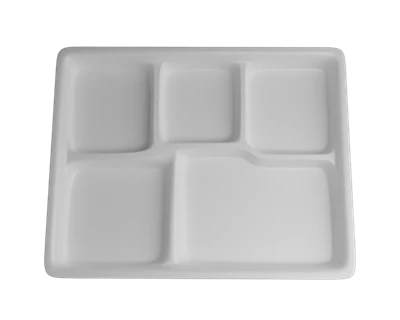
At the end of the day, organizing with compartment trays is less about perfection and more about saving you time and stress. No one needs a Pinterest-worthy drawer; you just need to be able to find your keys, your kid’s favorite crayon, or the right size screw in 10 seconds flat. As a supplier, I’ve seen how a good tray can turn a chaotic space into something functional, and I want that for you too. If you’re ready to pick out the right compartment trays for your home, garage, office, or business, reach out to us to chat through what you need. We can help you pick sizes, styles, and even modular sets that work for your specific space. Don’t keep wasting time digging through mess—let’s get you organized with trays that fit your life.
Cup Holders References
- Organization Experts. (2022). "Maximizing Small Spaces with Modular Storage." Home Organization Journal.
- Smith, L. (2021). "Practical Storage Solutions for Busy Households." Home Organizing Today.
- Workshop Supply Association. (2023). "Best Practices for Organizing Hardware and Small Tools." Tool Storage Guide.
Bio Earth Technology Co., Ltd.
As one of the most professional compartment trays manufacturers and suppliers, we also support customized service. Please feel free to buy bulk high quality compartment trays for sale here from our factory. For quotation and free sample, contact us now.
Address: No. 8-3, Baixi, 2nd Neighborhood, Tongxiao Township, Miaoli County 357001, Taiwan (R.O.C.)
E-mail: Services@bioearthtech.com
WebSite: https://www.bioearthtech.com/
