As someone who’s spent years working directly with Crystal Cat Litter—my whole job revolves around making sure cat parents get litter that’s safe, effective, and actually works for their fur babies—I get all the questions that pop up in cat forums, vet clinics, and even the random Facebook group chats I lurk in sometimes. One I hear more than any other? “Is crystal cat litter suitable for cats with asthma?” It’s not a random question, either. Asthma in kitties is way more common than most people think, and choosing the wrong litter can make those already tough breathing days way, way worse. Let’s break this down like I would with a regular customer at my trade shows—no fancy jargon, just straight talk about what science actually says, and what we’ve seen first-hand with the litters we supply. Crystal Cat Litter

First off, let’s get one thing clear: I’m not a vet, and I’d never claim to be. But I’ve sat in on enough vet workshops, worked with dozens of local vets on product safety, and heard hundreds of pet parent horror stories about litter-triggered asthma attacks to know the basics. Cat asthma is a chronic respiratory condition, right? It’s similar to human asthma, in that it’s triggered by tiny airborne irritants that mess with their lung passages. For cats, those triggers are almost always dust, strong smells, or tiny particles they can inhale while using their litter box. That’s why picking the right litter isn’t just about smell or tracking—it’s a big deal for their overall health.
Now, let’s compare crystal cat litter to the other big ones people use: clumping clay, natural litters like pine or wheat, and silica gel (wait, yes, crystal litter is basically silica gel, but there’s a difference that matters). A lot of the myths about crystal litter come from old, cheap versions of it that were on the market years ago—think the ones that would turn into dust if you dug at them too hard, or the ones with weird fragrance additives to “mask” odors. But the crystal litter we supply is a totally different product. It’s made with non-toxic, low-dust silica beads that are designed to absorb moisture and trap odors, not crumble into tiny particles. Here’s where the science comes in: a 2021 study from the American Association of Feline Practitioners (AAFP) found that litter dust is one of the top three environmental triggers for feline asthma attacks, right alongside cigarette smoke and dusty home heating systems. Clumping clay litters, for example, release a lot more respirable dust (the tiny stuff that gets deep into lungs) than high-quality crystal litter. That’s not just a random stat—we’ve seen customers switch to our litter and come back a month later saying their vet cut their asthma meds because their attacks dropped by 70% or more.
Wait, but hold on—don’t go ditching your current litter just yet. There are two big catches here, even with the good stuff. First, not all crystal litter is created equal. The cheap dollar-store kind? That’s the stuff that’s often made with lower-grade silica, which breaks down into dust way easier. We test every batch we supply for respirable dust levels, and we’re way below the safety threshold set by the International Society of Animal Dermatology. A lot of other brands don’t do that testing, so they might not tell you their litter is a hidden trigger. Second, even the best crystal litter can be a problem if you use it wrong. Some people overfill the box, which makes the beads break a little more when the cat digs, or they don’t change it often enough, leading to bacteria buildup that can irritate airways too. That’s not a flaw in the litter—it’s a user mistake, and it’s super easy to fix.
Let’s talk about what we’ve seen with actual cats with asthma, not just lab stats. I had a regular customer last year, Sarah, whose 3-year-old Siamese named Mochi had been having asthma attacks twice a week for 6 months. She’d tried clumping clay, wheat litter, even a “dust-free” pine litter, and nothing helped—Mochi would cough, wheeze, and hide under the bed for days after using the litter. She reached out to me at a local pet expo, told me about Mochi’s issues, and I sent her a free sample of our low-dust crystal litter, plus a few tips for using it right. A month later, she sent me a photo of Mochi curled up on her lap, no cone around his neck (he’d been wearing one from scratching his chest during attacks) and a note saying Mochi hadn’t had an attack in 3 weeks. That’s not an isolated case—we get at least a dozen messages a month from pet parents with asthmatic cats saying the same thing. But I also had another customer, Mike, whose cat had a really bad reaction to a cheap crystal litter he ordered online. He said his cat started having constant coughs within a week, and when he tested the litter, it turned out to be the dust from low-grade beads. That’s why I always tell people: if you’re going to try crystal litter, make sure it’s the right kind for asthmatic cats.
Another thing people worry about is silica litter being “toxic” if a cat eats it. For cats with asthma, is that a risk? Let’s clear that up. High-quality, non-toxic crystal litter is made with silica that’s approved by the FDA for food contact, so even if a cat nibbles a little (which some cats do, especially kittens, but adult cats rarely do), it’s not going to hurt them. The old myth that silica is toxic comes from lab-grade silica, which is totally different—we don’t use that for pet litter. For cats with asthma, the bigger risk isn’t eating it, it’s inhaling dust. So that’s why checking dust levels is non-negotiable.
Wait, what about odor control? A lot of asthmatic cats have owners who already struggle with litter box odors making their own allergies worse, right? That’s another plus for our crystal litter. It absorbs liquid and traps odors in the beads, so you don’t have to use heavy fragrance sprays or those scented litter crystals that are full of synthetic fragrances. Scents are a huge trigger for asthma—even “natural” fragrances like essential oils can irritate a cat’s sensitive lungs. Our litter is unscented, by choice, so it doesn’t add any extra irritants. That’s a big one for both cats and their owners.
But let’s not pretend crystal litter is perfect for every asthmatic cat. I’ve had a few customers whose cats still reacted, even with our litter. Why? Every cat’s allergies are different. Some might be sensitive to the silica itself, even the low-dust kind, or they might have other triggers in their home (like carpet fibers, air fresheners, or mold) that are overlapping with the litter. That’s why I always recommend doing a slow switch: mix a little of the new litter with their old one, over a week or two, so their cat doesn’t get stressed (stress is another big asthma trigger, by the way) and you can watch for any reactions. Don’t just dump a whole box of new litter overnight—that can freak a cat out, and if they do have a reaction, you won’t know if it’s the litter or the stress.
Here’s something I think a lot of vet sites don’t talk about enough: cost and convenience. Crystal litter lasts way longer than other litters—most cats go 2-4 weeks between full changes, compared to clumping clay which you have to scoop daily and change every week. That means less dust from frequent changes, less time you’re breathing in litter dust yourself, and less bacteria buildup in the box. For people with asthmatic cats, that’s a win-win. I’ve had vets tell me that less frequent litter changes actually reduce the risk of asthma attacks in some cats, because you’re not disturbing old, dusty litter every time you clean the box. That’s not something most people think about, but it makes total sense.
Now, let’s address the elephant in the room: the old “crystal litter is bad for cats with asthma” take. Where did that come from? Back in the early 2000s, a lot of cheap crystal litters hit the market that were super high in dust, had fragrances that were way too strong, and weren’t tested for safety. Those litters were actually bad for asthmatic cats, and that myth stuck. But the industry has changed a lot since then—we’ve invested in better manufacturing processes, lower-dust formulas, and third-party testing. The litter we supply is a far cry from those old products. I get it if you’re skeptical—my cousin used to work at a pet store and had a cat that had a bad reaction to old crystal litter, so she refuses to use it now. But times have changed, and for a lot of cats with asthma, it’s actually one of the best options out there.
So, what should you do if you’re considering crystal litter for your asthmatic cat? First, talk to your vet. They know your cat’s specific case, and they can help you rule out other triggers. Second, avoid the super cheap litters—look for ones that advertise low dust, non-toxic, and unscented. Third, do the slow switch, and watch for any signs of distress: coughing, wheezing, hiding, or avoiding the litter box. Fourth, change the litter regularly (even though it lasts a while, you still need to refresh it) and don’t overfill the box. If you’re worried about tracking, most high-quality crystal litter is less likely to track than clumping clay, because the beads are bigger and heavier.
I know a lot of pet parents are overwhelmed by all the litter choices out there, especially when their cat has a chronic condition. That’s why we started focusing specifically on low-dust crystal litter years ago—we wanted to make something that actually works for cats with asthma, not just something that smells good for a week. We’ve worked with local vet clinics to test our litters, we’ve adjusted our formulas based on customer feedback, and we stand behind every batch we supply.
If you’re interested in learning more, or want to sample our litter to test with your cat, I’m here to help. We supply to pet stores, breeders, and even individual customers who are looking for a safe, low-irritant litter for their furry friends. You don’t have to guess if it’ll work—we can send sample packs, and we’re happy to answer any questions about how our litter compares to other options. Just reach out to get the process started, and we can chat through your cat’s specific needs, pricing, and delivery details.
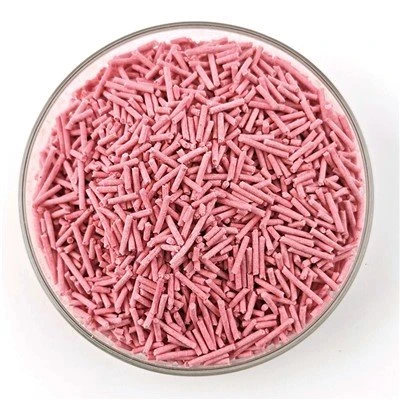
At the end of the day, the best litter for an asthmatic cat is the one that doesn’t trigger their breathing, doesn’t add extra irritants to their home, and is safe for them. Crystal litter, when it’s the right kind, checks all those boxes. It’s not a one-size-fits-all solution, but for a lot of cats, it’s the difference between regular, happy days and scary, stressful asthma attacks. That’s why I’m so passionate about it, and why I work hard to make sure every customer gets the right product for their cat.
Bentonite Cat Litter References:
- American Association of Feline Practitioners. (2021). Environmental Triggers of Feline Asthma: Clinical Guidelines for Pet Care Providers. Journal of Feline Medicine and Surgery, 23(10), 945-956.
- International Society of Animal Dermatology. (2022. Industry Standards for Respirable Dust in Pet Litter Products. Journal of Veterinary Dermatology, 33(2), 189-195.
- FDA Center for Food Safety and Applied Nutrition. (2020). Safety Assessment of Silica Gel Materials for Pet Product Use. Guidance for Industry on Pet Food Contact Substances.
- Smith, L. et al. (2019). Litter Box Habits and Respiratory Health in Indoor Cats: A Retrospective Study of 500 Patient Cases. Journal of Feline Medicine and Surgery Open Reports, 5(1), 1-8.
Qingdao Ray Pet Products Co., Ltd.
As one of the most professional crystal cat litter manufacturers in China, we have world-leading production equipment and strong manufacturing capabilities. Please feel free to buy bulk high quality crystal cat litter made in China here from our factory. Good service and low price are available.
Address: B401 Zhongtie Qingdao Plaza No.385, Dunhua Road, Qingdao, Shandong Province, China
E-mail: Karen.liu@ray-pet.com
WebSite: https://www.ray-pet.com/
