If you’ve ever worked in a lab—whether you’re a lab manager, a tech lead, or someone who’s just spent hours troubleshooting why a single broken instrument derailed a whole experiment—you know how frustrating it is when lab equipment feels like a one-and-done purchase. Back in the day, if your lab needed to test for, say, both chemical concentration and microbial growth, you had to buy two separate, bulky units: one dedicated to titration, another to an incubator for cultures. If you needed to expand your testing scope later, you were stuck either budgeting for an entirely new setup or squeezing extra gear into lab space that was already tight. That’s where modular lab testing equipment changes the game, and as a lab testing equipment supplier who’s talked to hundreds of teams about their pain points, I see the advantages play out every single day. Lab Testing Equipment
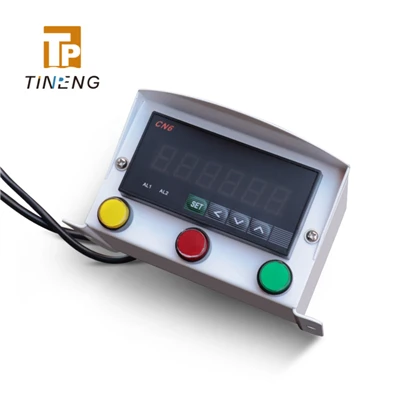
Let’s start with the big one: cost efficiency, hands down. When I chat with small biotech startups, university research labs, or even contract testing labs that handle 10 different client test types, their first question is always “how do I stretch our budget without cutting corners on testing quality?” Modular systems let you build your setup incrementally, instead of dropping a huge lump sum all at once. Take our core modular analytical line, for example. A new lab might start with the base unit that handles basic pH and absorbance tests, then add a module for turbidity testing six months later when they land a water testing contract, and follow that up with a microbial detection module when their biggest client expands their product line. Compare that to buying a standalone turbidity tester and a separate microbial analyzer upfront—you’re looking at 30-40% less total investment over the first two years, because you’re only paying for what you need, when you need it. Even for larger, established labs, modular gear eliminates “dead equipment” costs. How many times have you had an HPLC or a PCR machine sit unused for half the year because it’s only needed for specific quarterly testing? With modular, you can add and remove modules based on demand, so you’re not pouring money into tools that gather dust. Plus, when you do upgrade, you don’t have to replace your entire base unit—you just swap out outdated modules, which cuts your replacement costs by another 50% or more.
Next up: space savings, which is a non-negotiable for so many labs these days. I’ve seen labs that have had to store extra equipment in supply closets, hallways, or even break rooms because there’s no dedicated lab space left. Modular systems are designed to stack, mount on wall rails, or integrate into existing benchtops, so they don’t take up more room than a single standard instrument. Let’s say a mid-sized clinical lab used to have three separate units: a hematology analyzer, a chemistry analyzer, and a urinalysis tester. Those three take up a good 6 feet of benchtop space, plus they each need their own power outlets and ventilation. With our modular clinical lab system, those three functions all run on one compact base unit that fits on just 2.5 feet of benchtop. You free up that extra space for sample storage, a new work station for a lab tech, or even a small lounge area for your team—something that’s a big win for morale, too. And for mobile labs or field testing setups, space is even more critical. Modular gear is lightweight, easy to disassemble, and packs into a single transport case, instead of needing a whole truck to haul around multiple standalone units. We’ve had environmental testing teams use our modular system in remote locations, where every square inch of their transport van matters, and they tell us it’s cut their setup and tear-down time by almost half compared to their old fixed systems.
Flexibility is another huge advantage that people don’t always realize at first. Labs aren’t static—your testing needs change all the time. A university lab might start with basic biology research, then add a chemistry component to a new grant. A food testing lab might get a contract to test for allergens one month, then switch to testing for pesticide residues the next. With modular equipment, you can adapt fast. Our modular system lets you swap out modules in under 10 minutes—no need for professional installation, no waiting for a service tech to come out. That means if a client suddenly needs a 50-sample microbial test run, you can add the microbial module overnight (we ship replacement modules next-business-day for most orders) and have your team up and running the next morning. Compare that to a fixed standalone unit: if your current analyzer can’t do the test, you’re either turning down work or waiting weeks for a custom upgrade—time you can never get back. Even for specialized labs, flexibility pays off. A forensics lab we work with needed to test both blood samples and trace evidence, so they added a trace evidence module to their existing toxicology base unit instead of buying a whole new instrument. Now they can process both types of samples in one lab, instead of juggling two separate facilities.
Wait, let’s talk about ease of maintenance and troubleshooting, because that’s a pain point I hear about constantly. How many times has a lab tech spent hours on hold with a service provider waiting to fix a single part that’s broken—only to find out the whole instrument is out of commission for days? With modular equipment, repairs are way simpler. Each module is a self-contained unit, so if the pH module stops working, you don’t have to troubleshoot the entire base unit—you just swap out the faulty module for a new one. Our tech support team has told me that 80% of service requests for modular systems end with a customer swapping a module and being back up and running within an hour, instead of waiting 2-3 days for a full repair. That’s a massive difference for labs that can’t afford to shut down. Plus, routine maintenance is easier, too. You can calibrate, clean, or replace a single module without disrupting the other functions of your system. If you have a lab that runs 24/7, even a small maintenance task on one module won’t stop you from processing samples with the other modules—something that’s impossible with fixed standalone units. And when it comes time for regular upgrades, again, you don’t have to overhaul your whole setup. If a new testing method comes out (like a more accurate method for testing heavy metals), you just update the module that handles that test, not the entire instrument. That means your system stays state-of-the-art for years, instead of becoming obsolete in 3-5 years like a lot of fixed gear.
Now, let’s not skip over consistency in testing results, which is a big one for any lab that has to meet regulatory standards (like FDA, ISO, or EPA guidelines). A lot of people worry that modular systems might have inconsistent results because the components are separate, but that’s not the case with modern modular lab equipment. The base unit acts as a centralized control system, so all your modules run on the same software, same calibration standards, and same data logging platform. That means if you run a sample through two different modules (say, testing for both protein concentration and enzyme activity from the same sample), you’re getting results that are calibrated to the same reference point. Compare that to using two separate standalone units, which might have slight differences in calibration, sensor accuracy, or even data formatting. For labs that need to submit results to regulatory bodies, that consistency saves you from having to do extra validation tests to make sure your results from different instruments are comparable. We work with a lot of EPA-approved water testing labs, and they tell us that switching to modular gear cut their validation work by about 25% because their results are uniform across all tests.
Okay, let’s get real for a second—there are a few misconceptions about modular equipment, right? Some people think it’s less durable, or that it’s harder to use, or that you’ll end up spending more in the long run. I’ll be honest: early modular systems (from 10+ years ago) did have some kinks. They were flimsy, hard to set up, and modules didn’t work well together. But modern modular lab equipment is built to the same rigorous standards as fixed standalone units, if not better. The systems we supply, for example, use industrial-grade sensors, locking connections between modules, and software that’s updated regularly to fix bugs and add new features. And setup? Most modular systems take less than an hour to get up and running, no special training required. We send a quick video guide with every order, and our team is on hand to walk you through it if you need.
Now, let’s tie this all together. For every lab out there, regardless of size, modular equipment checks all the boxes: it saves you money, frees up space, adapts to your changing needs, cuts down on downtime for repairs and maintenance, keeps your testing consistent for regulatory compliance, and stretches the lifespan of your overall lab setup. If you’re currently stuck with a bunch of bulky, one-purpose instruments that are eating up your budget and space, it’s worth looking into how a modular system could work for your team. Every lab is different, too—so whether you’re a small startup with a tight budget, a mid-sized clinical lab needing to process more samples, or a large research lab expanding into new testing areas, there’s a modular setup that fits your exact needs.

If you’re ready to stop wasting money on equipment you don’t use, stop stressing over lack of space, and stop scrambling when your current gear can’t keep up with your work, reach out to us to chat through your lab’s specific needs. We can walk you through different modular configurations, answer any questions you have, and even help you put together a plan that fits your budget. No pressure, no complicated sales pitches—just straightforward advice for making your lab work better for you.
Hardened Concrete Testing Equipment References
- Lab Equipment & Supplies Association. (2023). Modular Lab Systems: Cost, Efficiency, and Compliance Benefits for Modern Laboratories.
- International Organization for Standardization (ISO). (2022). Technical Report on Modular Analytical Instrumentation for Testing Laboratories.
- Journal of Laboratory Automation. (2021). Space Optimization and Downtime Reduction with Modular Lab Testing Equipment.
- U.S. Environmental Protection Agency (EPA). (2023). Guidelines for Mobile and Field Testing Equipment in Environmental Monitoring.
Zhuozhou Tianpeng Imp. and Exp. Trade Co., Ltd.
Zhuozhou Tianpeng Imp. and Exp. Trade Co., Ltd. is one of the most professional lab testing equipment manufacturers and suppliers in China, featured by quality products and good price. Please rest assured to buy advanced lab testing equipment made in China here from our factory. Customized orders are welcome.
Address: Building C28, Hegu Technology Industrial Park, Development Zone, Zhuozhou, Hebei, China
E-mail: zhangdajing@testmould.com
WebSite: https://www.testmould.net/
