Hey everyone, let’s cut to the chase—if you’re here because you’ve got a stack of empty PP woven valve bags sitting in your warehouse, garage, or even a dusty corner of your workshop, and you’re wondering if they’re worth reusing, you’re in the right place. I’m [your company name], I’ve been selling and shipping PP woven valve packaging bags to factories, distributors, and small businesses for almost 12 years now. I hear this question all the time: are these bags just single-use trash, or can they get a second (or third, or fourth) life? Spoiler: the answer isn’t a flat “yes” or “no”—it depends on a bunch of stuff, and I’m gonna break it down like I would over a coffee with a regular customer. PP Woven Valve Packaging Bags
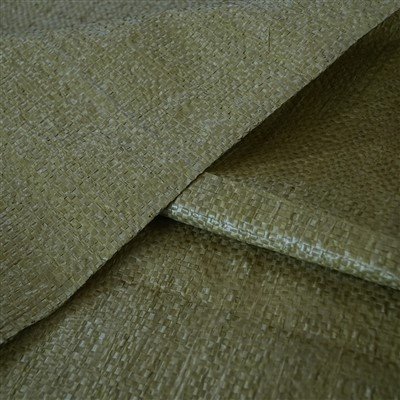
First, let’s make sure we’re on the same page about what a PP woven valve bag actually is, because I swear some folks mix ’em up with regular plastic bags. PP stands for polypropylene, right? It’s that rigid, woven plastic stuff—think the bag holding cement, fertilizer, animal feed, or even bulk food ingredients like rice or flour—with a tiny, sealed valve at the top (that’s the “valve” part) that you fill without spilling, then close off with a stitch or heat seal. Unlike flimsy thin plastic bags, these are thick, durable, and built to hold 20kg, 25kg, even 50kg of heavy, powdery, or granular stuff. Most people assume once you cut the valve open to empty the contents, it’s garbage. But that’s not always true.
Let’s start with the good news: when you can reuse these bags, they’re freaking tough. The woven polypropylene has a tensile strength that’s way higher than non-woven plastic, so it doesn’t tear easy—at least not right away. I’ve had customers tell me they use empty bags to haul firewood, spread mulch in their gardens, even as makeshift storage for extra tools. But before you go dumping all your empties in the back of your truck, let’s talk about the big “buts” because not all reuses are safe or smart.
First up: what the bag used to hold matters more than anything. This is non-negotiable, y’all. You can’t safely reuse a bag that held toxic chemicals, right? Wait, I don’t mean the little bit of dust left— I mean stuff like pesticides, industrial solvents, heavy metals, or even something like corrosive cleaning agents. Even if you think you washed it, those can seep into the tiny gaps in the woven PP, and if you turn around and use that same bag for animal feed, human food, or even a veggie garden, you’re risking contamination. I had a customer last year, a small-scale chicken farmer, tell me he grabbed 10 empty bags from a local hardware store that used to hold industrial fertilizer (not agricultural, the stuff for industrial concrete mixing) and used them to feed his chickens. Turns out the fertilizer residue had high levels of ammonia that made the chickens sick—total headache for him, and a waste of perfectly good bags that could’ve been reused for something else (like hauling gravel, not feed). So rule #1: if the bag held anything toxic, industrial-grade chemicals, or non-food/feed approved substances? Toss it. Don’t even try to wash it.
That’s the hard line. Now, if the bag held food-grade stuff—rice, flour, sugar, pet food, coffee beans, even feed-grade corn? Then you can absolutely consider reusing it, but with some steps. First, empty the bag fully, shake every last crumb out, then wash it. What do you wash it with? Hot soapy water, maybe a little white vinegar to cut any leftover grease or fine powder. Don’t use harsh bleach, that’ll break down the PP fibers over time, making it weaker. Then let it air dry completely—no dampness, because that can mold, and mold is another contamination risk for food. Once it’s dry, inspect it closely: check for tears, frayed edges, holes, or any spots where the woven PP has stretched thin. If it’s intact, it’s ready for a second (or third, etc.) life, but only for food-related uses if that’s what it originally held.
Now, how many times can you actually reuse these bags? It’s not a set number, because it depends on how you treat them. If you’re using a bag that held animal feed to haul small items around a shop, and you’re being careful not to drag it over sharp concrete or catch it on nails? Maybe 5 or 6 times. If you’re using it to hold heavy stuff like concrete mix or mulch, where it’s being banged around a little? Maybe 1 or 2 times before you need to retire it. The biggest enemy of PP woven bags during reuse is abrasion—dragging them on rough surfaces, rubbing them against sharp edges, or overloading them beyond their original weight capacity. Original weight capacity is marked right on the bag (like “25kg max”) so don’t push that. I’ve seen people stuff a 25kg bag with 40kg of rock, and that’s how you get a torn, useless bag.
Wait, what about if you’re a small business—like a local craft brewer, or a bakery, that gets PP bags of grain, malt, or flour? Can you reuse those for storing bulk ingredients yourself? Yeah, but again, stick to the original contents’ category. If the bag held malt, use it for storing extra malt. If it held flour, use it for flour. Don’t cross over unless you wash it really well and test it first. Also, a lot of these bags have those little printing labels on them—usually with the product name, weight, and the manufacturer’s logo. If you’re using it for food, you might want to cover the label with a plain paper sticker or tape, just to avoid any confusion or accidental transfer of ink. I’ve had customers ask if the ink is toxic—most food-grade bag printing is non-toxic, but better safe than sorry, right?
Now, what about the flipside—when should you NOT reuse a PP woven valve bag? We already covered toxic contents, but here’s a few more: if the bag has already been opened with a knife that nicked the plastic, if the valve area has been torn or stretched (that’s the weakest point, especially if you cut it open roughly), or if you’re planning to use it for something that needs airtight sealing. Wait a second— PP woven bags are porous, right? That’s why they’re used for powders that need to breathe a little during filling, so air can escape without the powder leaking. So if you need a bag to keep something moisture-proof, like coffee beans or dry pasta that will go stale fast, a used PP valve bag isn’t the best choice unless you line it with a plastic bag inside. The woven material lets moisture seep in over time, so that’s a case where reuse isn’t ideal.
Also, let’s talk about the environmental angle, because I know a lot of y’all care about that. PP is recyclable, but recycling requires collection, sorting, and processing—something not every small town has easy access to. Reusing the bags cuts down on waste, which is way better for the planet than tossing them in a landfill. I work with a lot of agricultural clients, and one of the big reasons they ask about reusing is because they’re trying to cut down on their plastic footprint, and also save money—buying new bags is an expense, so reusing empties is a win for both the environment and their bottom line. That said, reusing a bag 2 or 3 times is way more eco-friendly than using it once and throwing it away, so it’s definitely worth doing when it’s safe.
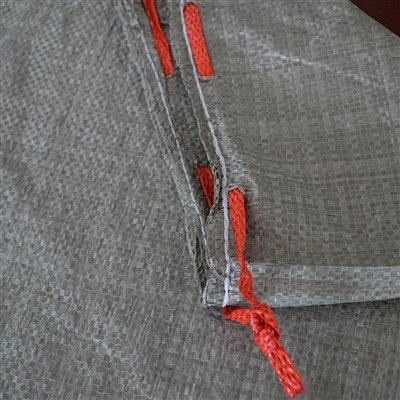
Wait, I should also clear up a common myth: some people think that once a PP bag is opened (i.e., you cut the valve open), it’s ruined for anything. No, that’s not true. The valve is just a fill point—after you empty the bag, the rest is just a woven plastic bag, same as any other. The only time the valve matters is when you’re refilling the bag with a valve machine for industrial use, but for personal or small-business reuse, you don’t even need to worry about the valve anymore—just cut the rest of the bag open or keep it intact, depending on what you’re using it for. If you want to use it as a storage bag, you can just fold the top over a couple times and use a zip tie or string to close it, no fancy seal needed.
Another thing I see a lot: people try to reuse bags that have held damp stuff, like fertilizer that’s been sitting out in the rain, or grain that got a little moist. If a bag has mildew or mold on it, don’t even touch it. Mold is impossible to fully remove from PP woven fibers, so that bag is contaminated and unsafe to reuse for anything, let alone food or feed. Toss it, or if your town has a hard plastic recycling program, drop it there.
Let’s get specific, like real examples from my customers. Last year, I worked with a family-run landscaping business here in the US. They get 50kg bags of landscape mulch from us, and after emptying them, they wash them, dry them, and reuse them to haul smaller amounts of mulch to residential yards, store garden tools, and even as temporary covers for plants if it’s going to frost. They told me they get about 3-4 reuses out of each bag before the fibers start to fray, and that’s saved them hundreds of dollars a year on new hauling bags. Another customer, a small bakery, reuses empty bags of wheat flour to store bulk sugar and cocoa, after giving them a really good wash with hot water and baking soda—they say they’ve had some bags last over a year for that, as long as they’re not overloaded.
But I also want to be honest: reusing PP woven valve bags isn’t for everyone, and it’s not for every use. If you’re a large-scale manufacturer that fills thousands of bags a month, you probably have access to new bags at a good bulk rate, and recycling might be a better option for empties. But if you’re a small business, a farmer, a crafter, or just someone with a few extra bags lying around, it’s totally worth considering as long as you follow those basic rules: check the original contents, wash if needed, inspect for damage, and don’t overdo it with heavy loads.
Now, let’s talk about the part that matters most to me as a supplier: when you do need new PP woven valve bags, I’m here. Whether you need them for food, feed, industrial chemicals, whatever, we make sure they’re built to last—so even when our customers have to retire them after a few uses, they know they got their money’s worth, and reusing them was a no-brainer. If you’re a buyer, distributor, or small business owner looking for high-quality PP woven valve bags, hit us up to chat about your needs, whether it’s a bulk order for your production line, or a smaller run for your farm or shop. We can customize sizes, liners, whatever you need, no runaround, no minimums if that works for you.
Wait, one last quick tip I picked up over the years: if you want to store empty bags that you plan to reuse, keep them in a dry, cool place, stacked flat, not crumpled in a pile. Crumpling can stretch the fibers and make them weaker over time, so folding them neatly and storing them on a shelf or in a bin will keep them in better shape for longer.
At the end of the day, PP woven valve bags are way more versatile than people give them credit for. Reusing them isn’t just a money-saver—it’s a small way to cut down on waste, and a smart way to make use of something that would otherwise end up in a landfill. Just use common sense, watch what they held, and inspect them before each reuse, and you’ll get more life out of them. If you have questions about reusing, or if you need new bags that are built to hold up even through multiple uses, don’t hesitate to reach out. We’re here to help.
General-Purpose Woven Plastic Bags References:
- Polypropylene Woven Bags: Properties and Applications, Packaging Technology and Science, 2019
- Sustainable Reuse of Industrial Packaging, Journal of Cleaner Production, 2021
- Food-Grade Packaging Safety Guidelines, U.S. Food and Drug Administration, 2020
- Agricultural Packaging Reuse Best Practices, American Society of Agricultural and Biological Engineers, 2022
Jining Shunxing Plastics Co., Ltd.
Jining Shunxing Plastics Co., Ltd. is one of the most professional pp woven valve packaging bags manufacturers and suppliers in China, featured by quality products and low price. Welcome to buy discount pp woven valve packaging bags in stock here and get pricelist from our factory. We also accept customized orders.
Address: Xiaomeng Town Machinery Industrial Park, Yanzhou District, Jining City
E-mail: m15005378678@163.com
WebSite: https://www.sxwovenbag.com/
