How often should ductile iron manhole covers be replaced? If you’re a municipal engineer, infrastructure manager, or even a homeowner who’s ever navigated a potholed street or dealt with a broken utility access point, this question has likely crossed your mind. As a supplier of ductile iron manhole covers, I get asked this at least a dozen times a week—sometimes by clients who’ve had a cover crack after three years, sometimes by teams planning a 20-year capital budget and wondering if ductile iron is the right long-term bet. The short answer isn’t one-size-fits-all: it depends on a mix of material quality, installation practices, traffic load, environmental conditions, and routine maintenance. Let’s break this down with the kind of on-the-ground insights I’ve gained working with municipal crews and private contractors for over a decade, no fancy industry jargon, just real-world context. Ductile Iron Manhole Cover
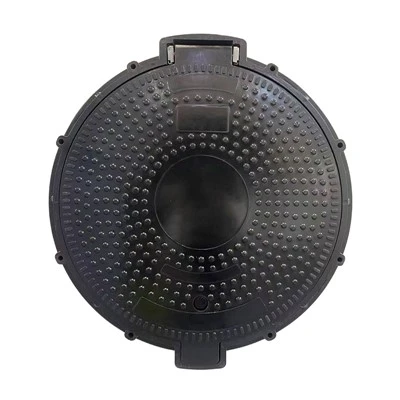
First, let’s start with what makes ductile iron different from the old cast iron or plastic covers you might have seen rusting or snapping on busy roads. When we pour ductile iron, we add a small amount of magnesium during manufacturing, which transforms the graphite structure from flaky (the weak point in standard cast iron) to spherical. That tiny change makes ductile iron 3 to 5 times stronger in tensile strength, far more resistant to impact, and less prone to sudden, catastrophic failure. A good quality ductile iron manhole cover, manufactured to standard grades like ASTM A478, isn’t built to wear out quickly—but that doesn’t mean it’s immortal. I’ve supplied covers that lasted 40 years in residential side streets, and others that needed replacement in 8 years on a busy arterial road with 18-wheelers rumbling over them daily. So the timeline hinges almost entirely on use and care.
Let’s talk about the two biggest factors that drive replacement: traffic load and installation. Traffic is the silent killer here. For ductile iron covers, manufacturers test load ratings to classify them for different uses—there’s Light Duty (for sidewalks, pedestrian zones, residential driveways), Medium Duty (parking lots, residential streets with light truck traffic), Heavy Duty (arterial roads, bus routes, delivery zones), and Extra Heavy Duty (highways, ports, industrial yards with heavy freight). A common mistake I see is crews using a Medium Duty cover on a highway: even though ductile iron is strong, consistently bearing 40+ ton semi-truck loads will cause gradual fatigue, tiny stress cracks that start along the edges, and eventual deformation. I had a client in Ohio last year who switched from Medium to Heavy Duty covers on a stretch of I-75, and their replacement rate dropped from every 10 years to every 22 years. That’s not just a matter of cost savings from fewer installations—it’s a safety win: a deformed cover is a trip hazard for pedestrians, and a cracked cover can shift, exposing utility lines, which is a liability no city or utility wants.
Installation is almost as important as the cover itself. I can send you the highest-grade ductile iron cover on the market, but if the crew setting it uses loose gravel under the frame instead of compacted concrete, or cuts the frame to fit an oversized hole that leaves gaps, that cover will fail prematurely. I’ve seen covers that were installed wrong break within 5 years, while properly installed ones in the same traffic zone still look new after 20. Last year, a municipal crew in Chicago told me they replaced 12 covers on a side street in 2023—turns out they’d used uncompacted backfill during installation, and the repeated vibration from city buses shifted the frame, putting constant stress on the cover. We worked with them to adjust their installation protocol, and in 2024, they only replaced 2 covers on that entire street. That’s the thing about ductile iron: it’s only as good as its foundation.
Next, environmental conditions play a bigger role than most people realize. Ductile iron is corrosion-resistant, but it’s not immune. If you’re in a region with de-icing salts (like the Northeast U.S. or Canada), those salts can seep into the gaps between the cover and frame, accelerate rust on the bottom of the cover, and weaken it over time. I supply covers coated with a fusion-bonded epoxy finish, which creates a barrier against salt and moisture—those covers typically last 15-20 years in salt-heavy areas, while uncoated ones might only last 8-12. Coastal regions are another factor: salt air and high humidity can speed up corrosion, so extra-heavy coating or even stainless steel cladding on the cover edges is a good investment there. On the flip side, covers in dry, arid regions like Arizona often last longer because there’s less moisture and salt to cause corrosion—one client in Phoenix told me their ductile iron covers on residential streets have averaged 35 years of use, no major issues.
Now, let’s talk about routine maintenance, because this is the easiest way to extend a ductile iron cover’s lifespan. Many cities treat manhole covers as a “set it and forget it” asset, but a little upkeep goes a long way. Every 2-3 years, crews should inspect covers for loose frames, cracks, or uneven wear. If a cover is sitting unevenly, it might be because the frame has shifted—tightening the bolts (or resetting the frame slightly) can prevent stress cracks from forming. Cleaning the area around the cover to remove debris, dirt, and built-up salt also prevents corrosion. I had a client in Toronto that did annual inspections and minor repairs, and their cover replacement rate dropped from every 12 years to every 20 years. Conversely, a city that skips maintenance will see covers fail 30-50% faster—one in Detroit told me their unmaintained covers lasted an average of 7 years, which is half the lifespan of similar covers in cities with regular check-ups.
So what’s the actual average replacement timeline? Based on my 15 years in this business, here’s a rough breakdown:
- Light Duty (residential sidewalks, park paths, pedestrian-only areas): 25-40 years. These covers see almost no heavy traffic, so ductile iron’s durability shines. I’ve had covers installed in 1998 on a park in Minneapolis that still works perfectly today, no cracks or deformation.
- Medium Duty (residential streets, small parking lots, bus routes with local buses only): 15-25 years. We’ve found that the average here is around 18 years for properly installed, coated covers in moderate climates.
- Heavy Duty (arterial roads, major parking lots, city bus routes, delivery zones): 10-15 years. High traffic, combined with occasional heavy trucks, means regular stress, but good coating and installation can push this to 18 years.
- Extra Heavy Duty (highways, ports, industrial yards, freight routes): 5-10 years. These are the toughest applications, with consistent heavy loads. Even with top-tier ductile iron and heavy duty coating, the repeated stress from 80,000-pound semi-trucks means replacement every 7-8 years on average.
Wait, but there are exceptions. I’ve seen Light Duty covers that only lasted 12 years—because a tree root grew under the frame, lifting it unevenly and putting stress on the cover until it cracked. I’ve also seen Extra Heavy Duty covers that lasted 12 years, because the port where they were installed used a special reinforced frame designed to handle container trucks. That’s why the timeline isn’t hard and fast; it’s a balance of all the factors I mentioned.
Now, let’s address a common question I get: is it worth paying more for a higher-grade ductile iron cover, or is a cheaper one just as good? A lot of contractors try to cut costs by buying lower-grade ductile iron or even cast iron covers, but that’s a false economy. I once had a client in Dallas who bought cheaper cast iron covers for a commercial parking lot, and they had to replace them every 8 years. We supplied Heavy Duty ductile iron covers, and 12 years later, they still hadn’t replaced a single one. The upfront cost was 20% higher, but they saved 50% over 12 years because they didn’t have to pay for repeated installations, labor, and traffic control. Ductile iron’s strength means you get far fewer replacements, which adds up over the lifespan of a road or parking lot.
Another angle: replacement frequency and safety. Broken or missing manhole covers are a top cause of utility accidents, trip-and-fall injuries, and even vehicle damage. I’ve heard stories of cars crashing into a 2-foot gap left by a missing cover, or a pedestrian falling into a utility vault because a cracked cover shifted. Replacing covers proactively—before they fail—isn’t just a maintenance task, it’s a public safety responsibility. The key here is regular inspections to catch small cracks or deformation before they turn into a hazard. Many of my clients use a simple checklist: every inspection, measure the cover for warping, check for cracks longer than 1 inch, and test the fit by lifting the cover slightly (if it rocks more than a half-inch, it’s time to reseat the frame or replace the cover).
What about future replacement planning? For cities and utility companies, building a replacement timeline into capital budgets is critical. If you have 1,000 Heavy Duty covers on your city’s main arterial roads, planning to replace 10% of them each year (over a 10-year cycle) means you don’t have a huge, unexpected expense when 20 covers all fail at once. From my experience, cities that plan ahead are far more efficient at managing their infrastructure costs, and they have fewer service disruptions when replacing covers.
Now, let’s talk about my role as a supplier. I don’t sell every cover to every customer—my job is to match the right cover to the right application, so you don’t waste money on a grade that’s overkill, or end up with a cover that will fail prematurely because it’s underrated. If you’re a residential homeowner looking to replace a cover in your driveway, I’ll recommend a Light Duty coated ductile iron cover that fits your needs, not an Extra Heavy Duty one that costs twice as much. If you’re a municipal engineer planning a 20-year capital project for a highway, I’ll walk you through the load ratings, coating options, and maintenance tips to make sure your covers last as long as possible.
I’ve seen too many projects go wrong because the wrong cover was specified, or installation was rushed, leading to costly replacements and safety issues. That’s why I take the time to understand each client’s specific needs before making a recommendation. Whether you’re dealing with a small residential side street, a busy industrial port, or a highway, I can help you figure out the right replacement timeline and the right ductile iron cover to fit your budget and needs.
If you’re currently managing manhole cover assets and want to review your replacement schedule, or if you’re planning a new installation and need guidance on the right ductile iron cover for your project, feel free to reach out to discuss your requirements.
Composite Manhole Cover References:
- ASTM International. (2020). Standard Specification for Ductile Iron Gravity Sewer Pipe and Fittings and Manhole Frames and Covers (A478-20).
- National Association of City Transportation Officials (NACTO). (2022). Urban Street Design Guide: Manhole Cover Maintenance and Replacement Protocols.
- American Society of Civil Engineers (ASCE). (2021). Infrastructure Report Card: Utility Systems Asset Management.
- International Association of Plumbing and Mechanical Officials (IAPMO). (2023). Corrosion Resistance of Ductile Iron Manhole Covers in Deicing Salt Environments.
- U.S. Department of Transportation Federal Highway Administration (FHWA). (2022). Heavy Vehicle Load Effects on Highway Manhole Covers and Frames.
Hangzhou Hongkun Municipal Engineering Co., Ltd.
We are one of the most experienced ductile iron manhole cover manufacturers and suppliers in China, also accept customized orders. We warmly welcome you to wholesale bulk high quality ductile iron manhole cover in stock here from our factory. If you have any enquiry about quotation, please feel free to email us.
Address: No.666, Jiuheng Road, Shangcheng District, Hangzhou City, Zhejiang Province
E-mail: tsxhxw@126.com
WebSite: https://www.hkmuni.com/
